
Working With a CNC Machining Partner Long Term: Terms, Acceptance, After-Sales
The questions that decide a long-term machining relationship appear after the first order, not before it. Once a supplier has proven it can hit the drawing once, the buyer's problem changes shape: will order ten carry the same terms as order one, will acceptance still be tied to the same drawing revision, will the inspection evidence still arrive complete, and will a reorder take days instead of another qualification cycle. This FAQ answers those four questions for buyers moving from an approved first batch into multi-year supply.
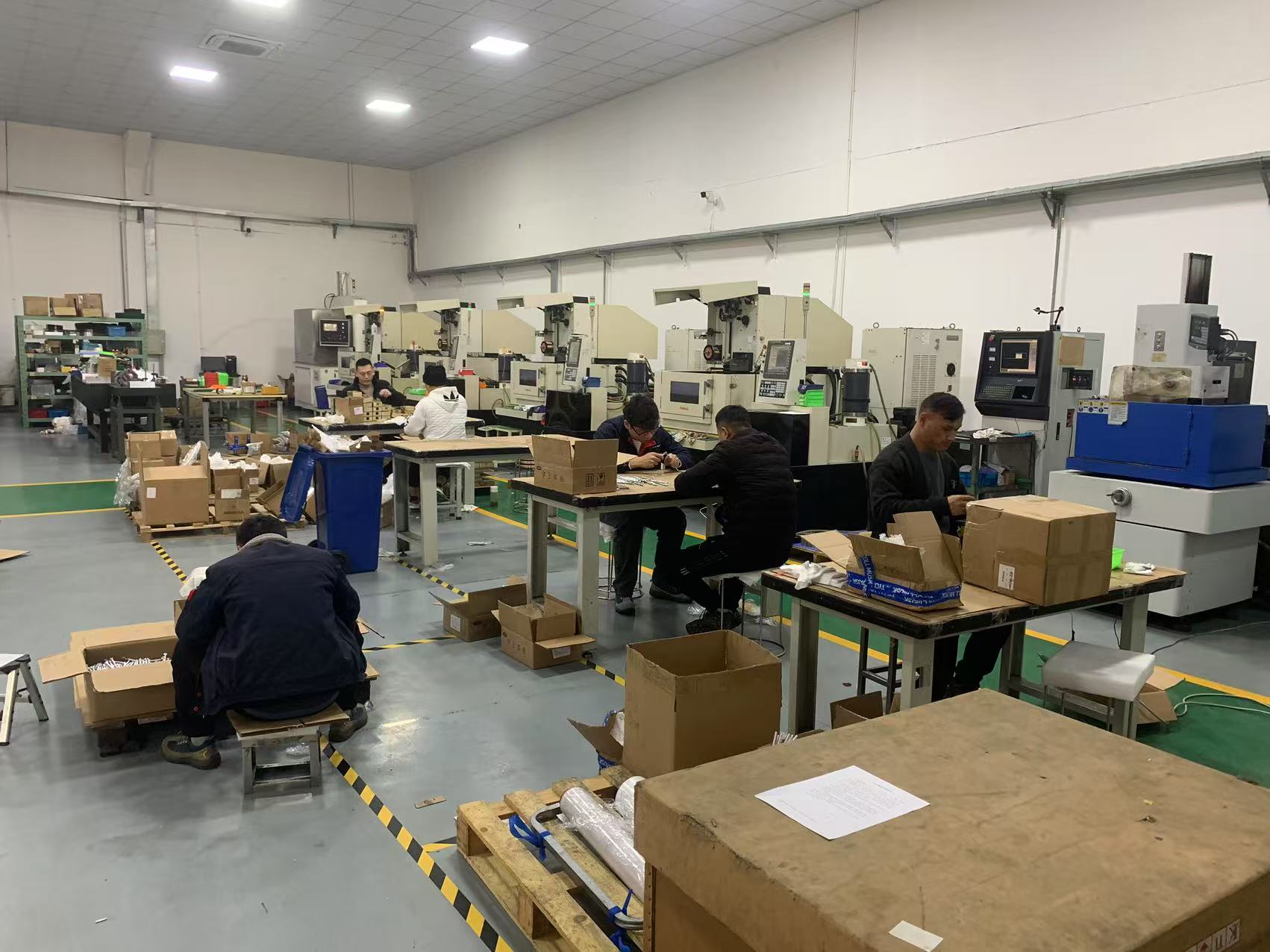
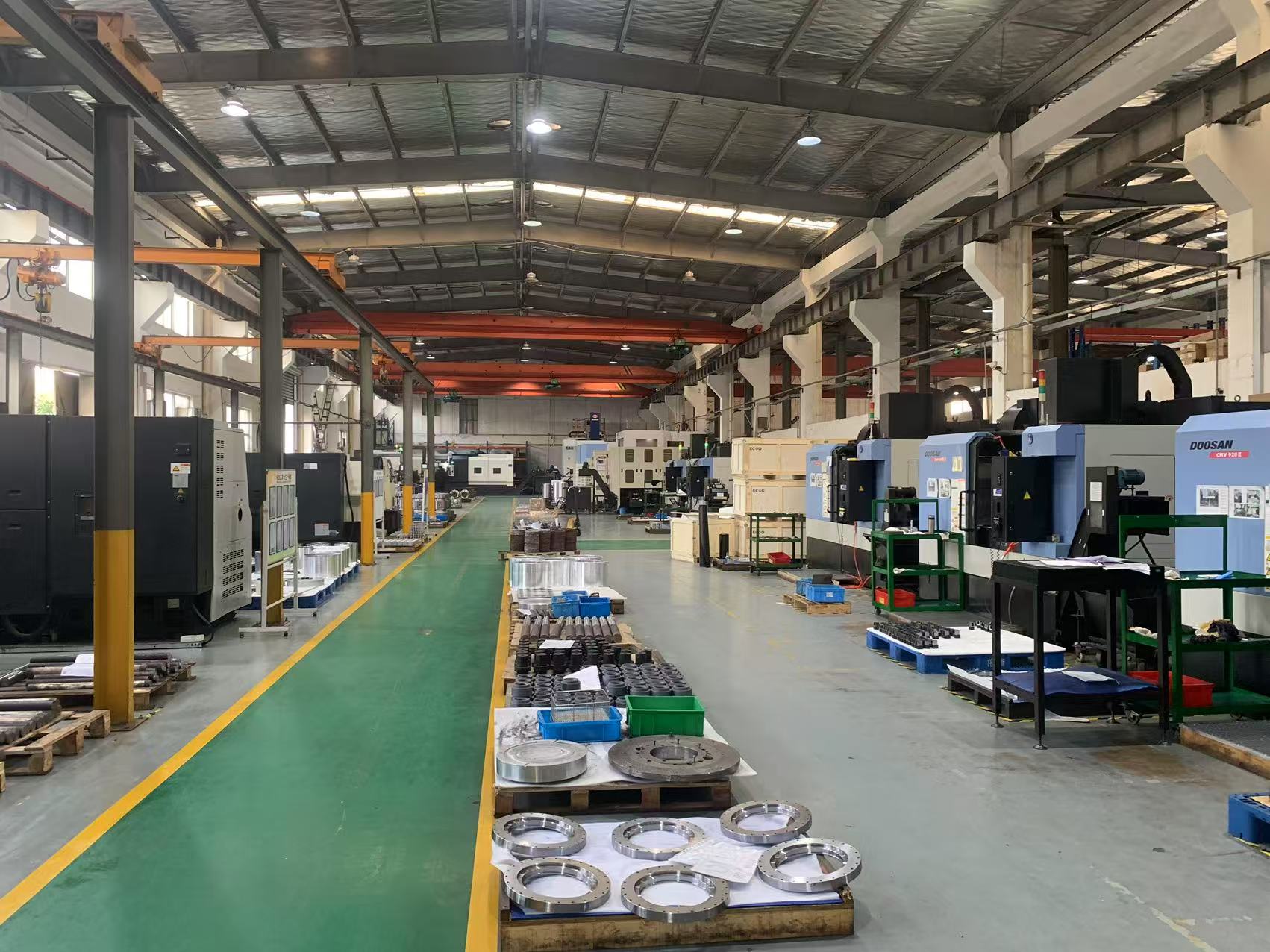
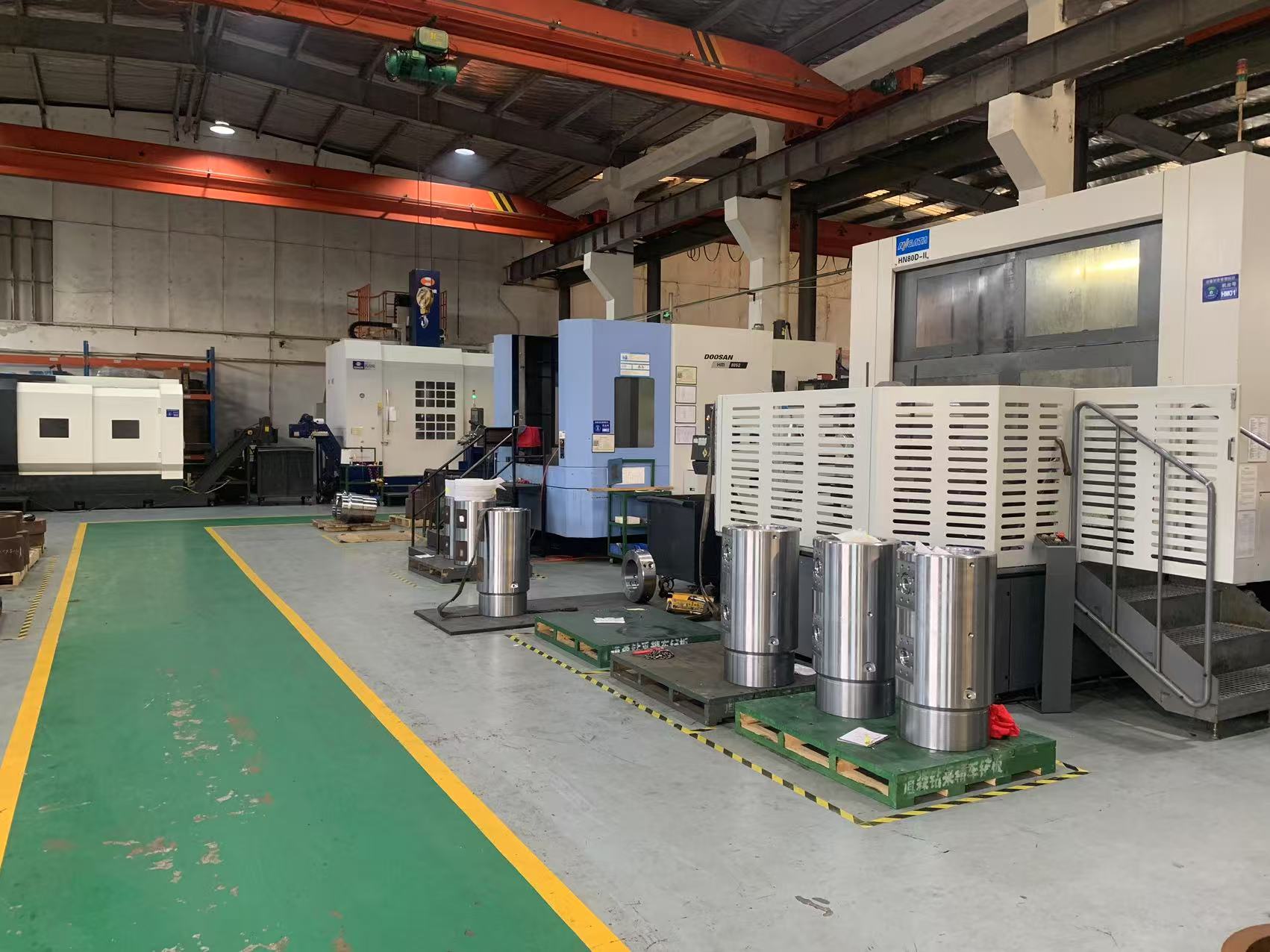
The supplier context is Suzhou ECOD Precision Manufacturing Co., Ltd (ECOD), a precision manufacturer established in 2005 in Suzhou, China, running a 40,000 m² facility with approximately 350 employees and a 25-engineer engineering team. ECOD operates 3-, 4- and 5-axis CNC machining centres, CNC lathes and precision grinding equipment, and supports prototypes, small batches and mass production in aluminium, stainless steel, copper and various alloy steels. Where a figure below is company-published rather than independently audited — including tolerance, delivery-rate and cost comparisons — the text says so, because that distinction matters when you are committing budget to a supplier across several years.
The problem: a first order tests capability, the tenth order tests control
A first order is a capability test. A tenth order is a control test. Between the two, the mechanisms that keep a part identical start to leak: a drawing revision gets referenced informally, a material certificate stops being checked against the heat number on the parts, an inspection report arrives as a partial sheet because the original characteristics list was agreed verbally two years earlier.
In custom machining this is the dominant long-term risk, and it is procedural rather than technical. Nobody loses a production line because a supplier could not mill a pocket once. Programs break when the definition of "acceptable" quietly shifts between shipments, or when the purchasing terms on the tenth purchase order are different from the ones the buyer's finance team approved on the first.
For a buyer in the Decision-to-Execution stage, that reframes the evaluation question. Instead of asking whether the supplier's machine list is impressive, the useful questions are: what exactly is written down, who keeps the revision history, which evidence ships automatically, and what happens to reorders when the part has not changed but the volume has.
Industry background: why custom-part relationships erode slowly
Custom machined parts have no catalogue specification to fall back on. A standard fastener can be checked against a published dimensional table; a custom shaft or housing can only be checked against your drawing, your material callout and your finish requirement. That means the drawing and the acceptance plan are not administrative attachments — they are the definition of the product.
Programs in aerospace, oil & gas, energy and medical device manufacturing typically run for multiple years, which exposes this dependency. A component designed today may be procured through engineering builds, pilot production and serial supply, and the supplier may change equipment, tooling, material sources or personnel over that period while the part number stays fixed. The relationship survives only if the acceptance definition is stable enough to absorb those changes.
That is why purchasing terms, acceptance criteria, inspection evidence and reorder handling belong in the same conversation. They are four parts of one control system, not four separate administrative topics.
The designation that shapes everything: OEM Service, no standard model
ECOD's custom parts are quoted under an OEM Service designation. There is no standard model catalogue behind the quotation — the part exists as a customer drawing, a material specification and a defined production route. This detail matters far more than it sounds, because it determines what acceptance can be referenced against in year three.
Without a standard model, three things follow:
- The drawing revision is the single source of truth. If the buyer's engineering team issues revision C and the purchase order still references revision B, the shipment is legitimate and still wrong for the current build.
- Acceptance criteria must be written as an annex, not assumed. Dimensions, tolerances, surface finish, material grade, marking and documentation each need an explicit statement of what is checked and to what standard.
- Nothing can be substituted without agreement. A material grade swap or a process-route change is a different product until the buyer accepts it in writing.
Purchasing terms that should not be renegotiated on every order
Long-term supply breaks down commercially long before it breaks down technically. The practical fix is to establish which terms are standing terms and which vary by order, then reference them in every purchase order so neither side has to reconstruct them.
| Term | ECOD's stated position | What to fix in the purchase order |
|---|---|---|
| Minimum order quantity | 1 unit | State the prototype, pilot and production quantities separately so the one-piece minimum is used for validation, not just for convenience. |
| Payment | 30% deposit, 70% balance before shipment | Confirm the milestone definition and which document releases the balance — typically the inspection record package. |
| Delivery terms | EXW, FOB, CIF, CIP, FCA, CPT, CFR, DAP, DDP | Name one Incoterm per shipment and keep it consistent with your customs and insurance arrangements. |
| Quotation response | Within 24 hours (ECOD's published comparison states 12–24 hours) | Attach the drawing and quantity so the quote is comparable across suppliers, and record the revision quoted. |
| Acceptance basis | Factory inspection | Define whether your organisation also performs incoming inspection or source inspection, and what the disposition path is. |
| Inspection before shipment | 100% inspection | Specify which characteristics must appear in the report, and in what format. |
| Part designation | OEM Service; no standard model | Reference drawing number, revision and material specification on the PO itself. |
The commercially significant item is not the size of the deposit; it is whether the terms stay identical across orders. A 30% deposit is easy to absorb once. It becomes a problem when a buyer discovers in month eighteen that a different payment milestone was quietly applied to a repeat order and the release of goods now depends on a document nobody expected to provide.
Where the one-piece minimum actually helps
A one-unit minimum order quantity changes the shape of a long-term program more than it first appears. It lets a buyer run a genuine sample or a single replacement part under the same terms as a production batch, which means the acceptance plan, material certificates and inspection report are tested at the smallest possible scale before volume is committed. Buyers who would otherwise separate "prototype supplier" and "production supplier" can keep one approval history instead of two.
How acceptance criteria are agreed: material, geometry, documentation
With no standard model to point at, acceptance has to be built from three layers, and each one needs a named owner on both sides.
Material
The purchase order should name the grade and the certificate requirement, not just the alloy family. ECOD's precision inspection control includes raw material certification verification, which means the certificate is checked as part of the release process rather than collected afterwards. For a multi-year program, agree whether certificate retention is per shipment or per heat lot, and who stores the archive.
Geometry
Geometry acceptance references the drawing revision plus the specific characteristics your design team actually cares about. This is where tolerance language needs care. ECOD's published comparison against conventional workshops cites a tolerance position of ±0.005 mm; that figure should be read as a capability statement to be discussed against your drawing's critical features, materials and part size, not as a blanket guarantee that every geometry in every material will hold the same value. The productive conversation is: here are the four characteristics that matter, what inspection method proves them, and what record proves it again on reorder.
Documentation
ECOD's stated acceptance basis is factory inspection, and its standard documentation for orders includes material certificates and dimensional inspection reports. The buyer's job is to specify the record set before the first shipment, because a report format negotiated after the parts are made tends to become a negotiation about what "typical" means.
A workable acceptance annex. One page, attached to the PO and referenced on every reorder: drawing number and revision; material grade and certificate requirement; critical characteristics with tolerance; inspection method per characteristic (CMM, first article inspection, or dimensional report); surface finish requirement; marking and packaging; record format and language; deviation notification and disposition route; revision-change trigger. If a characteristic is not in the annex, it is not part of acceptance — which is exactly why the annex has to be complete on day one.
What inspection evidence should accompany a shipment
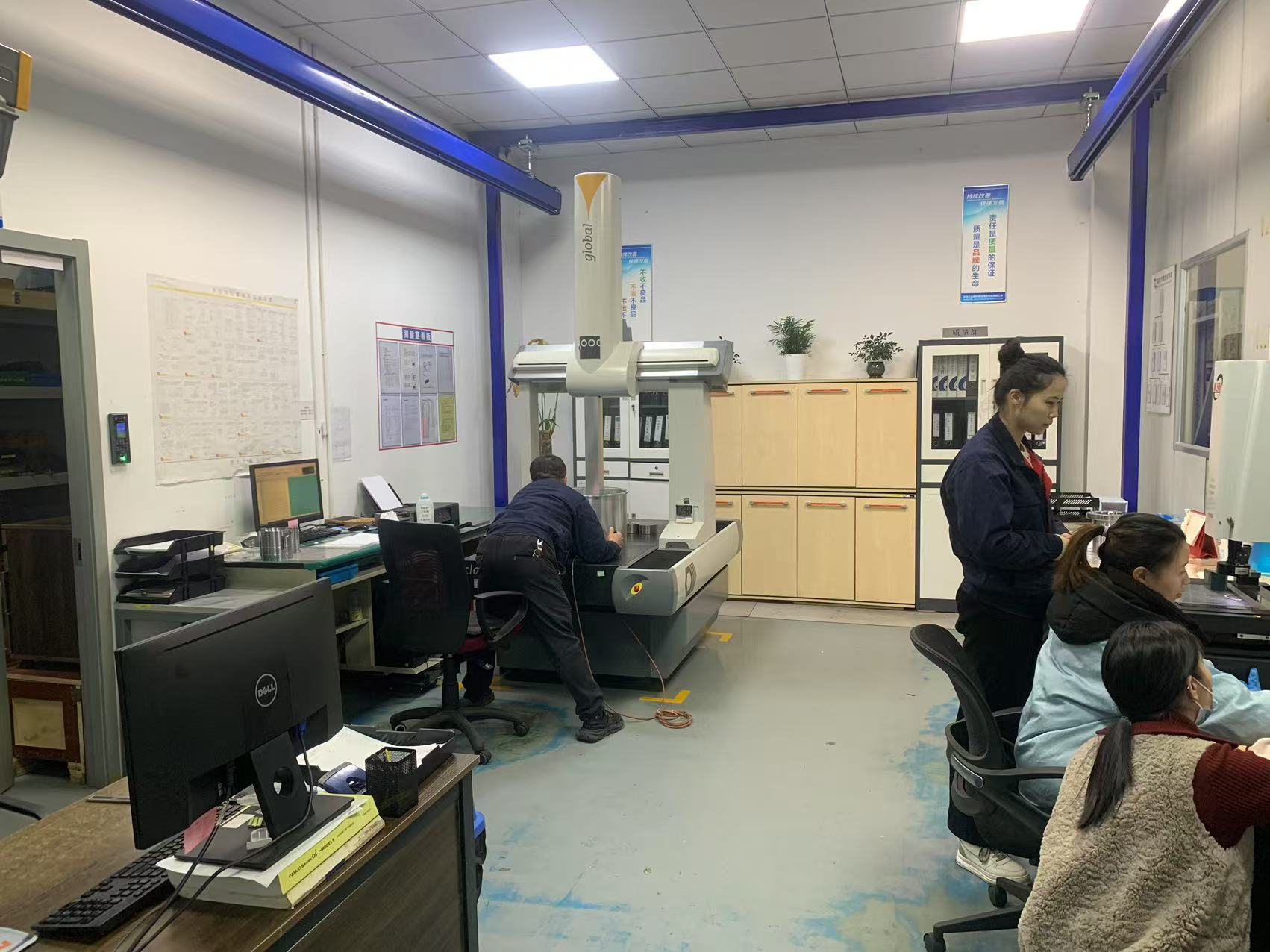
Evidence is the part of the relationship that is easiest to let slide, because the first few shipments usually arrive with a complete pack and the later ones are trusted. The published position is unambiguous: 100% inspection before shipment, with material certificates and dimensional inspection reports supplied for orders. Risk control for dimensional tolerance deviation is handled through precision inspection control methods — CMM inspection, first article inspection and raw material certification verification.
On arrival, the useful checks are structural rather than statistical:
- Revision match. The report references the same drawing revision as the purchase order and the physical parts.
- Characteristic coverage. Every characteristic named in the acceptance annex appears with a measured value and a tolerance, not a pass/fail tick alone.
- Material traceability. The certificate grade matches the PO, and the heat or lot identification can be linked to the delivered parts where your program requires it.
- Measurement traceability. The inspection method matches the one agreed for that characteristic; a CMM record and a hand-tool record are not interchangeable evidence.
- Quantity and identification. Part marking, packaging and count agree with the packing documentation.
If a program requires third-party inspection or a source inspection visit before release, that belongs in the purchase order as an agreed step, not as an improvised request when a shipment is already packed. The same applies to any additional quality-system evidence your own qualification process demands: request certificate copies showing number, scope and validity directly, rather than relying on a logo or a general statement. ECOD's ISO 9001 certificate is referenced as 33826Q00178R000 with a scope described as Custom CNC Machining Parts Sales — a scope statement worth reading against your own part families before you assume it covers what you are buying.
How repeat orders are handled
A repeat order is not a new project; it is a controlled reproduction. The cleanest way to keep it controlled is a short list of change triggers — conditions under which the order stops being a reorder and becomes a re-approval.
- Drawing revision change — new geometry, tolerance or finish means a new acceptance annex and, normally, a new first article inspection.
- Material specification change — including a grade substitution proposed for availability or cost reasons.
- Process route change — different machine class, different setup strategy or a subcontracted finishing step.
- Quantity step change — moving from prototype quantity into serial volume, where packaging, handling and inspection logistics scale differently.
- Specification gap discovered on arrival — a missing characteristic or an ambiguous callout, which should be corrected before the next release rather than waived.
On the supplier side, ECOD supports the full range from prototypes and one-off parts to small batches and mass production under the same OEM Service model, with a one-piece minimum order quantity. That continuity is the practical advantage for repeat business: the approved part, the approved process and the approved evidence format do not have to be rebuilt when volumes move.
Delivery performance deserves the same treatment as quality. ECOD's published comparison states an on-time delivery rate above 98%; treat that as a supplier-stated figure and verify it against your own purchase order history rather than accepting it as a forecast. Two or three consecutive late releases on a critical part number tell you more than any published percentage.
After-sales confidence: what to measure instead of assume
After-sales in a machining relationship rarely means a service hotline. It means five concrete things: how a deviation is reported, who decides rework versus replacement, how fast the documentation can be retrieved, whether engineering support is available when a design changes, and whether supply continues when volumes move in either direction.
Two capabilities are relevant here. First, ECOD maintains a 25-engineer team providing design-for-manufacturing optimisation, which is the mechanism by which a producibility problem gets resolved before it becomes a tolerance problem in serial supply. Second, the company reports a 100% export ratio across Europe, the Middle East, North America and Asia, which means export documentation and international logistics are routine rather than exceptional — a practical consideration when a multi-year program spans customs regimes.
A simple four-metric scorecard, measured on your own orders rather than on supplier statements, covers most of the risk: on-time release rate against confirmed dates; documentation accuracy at first submission; deviation closure time from notification to disposition; and first-pass acceptance at your incoming inspection. Set the thresholds from your own program requirements — the point is that the metrics are yours and they are reviewed on a schedule, not after an incident.
ECOD's published comparison against conventional machining workshops
ECOD publishes a comparison between its own operating position and what it describes as conventional machining workshops. It is a supplier statement rather than an independent benchmark, so the table below keeps the original figures and adds the interpretation a buyer needs before using them in a long-term agreement.
| Comparison point | ECOD's published position | How to use it in a long-term contract |
|---|---|---|
| Engineering support | Fast engineering support | Test it with a real DFM question on your own drawing before you rely on it during a design change. |
| Delivery performance | Stable delivery performance; on-time delivery rate above 98% | Track per-purchase-order releases; a stated rate is a claim, your history is evidence. |
| Tolerance position | ±0.005 mm | Map it to specific critical characteristics, materials and part sizes in your acceptance annex. |
| Inspection coverage | 100% dimensional inspection | Agree which characteristics are reported and in what format before the first release. |
| Quotation speed | Within 12–24 hours | Use it to shorten re-quote cycles on revisions, provided the drawing package is complete. |
| Cost at volume | Comprehensive production cost reduced by 10% for medium and large batch orders, compared with conventional machining workshops | Validate with your own comparable RFQ on the same drawing, quantity and Incoterm. |
| Quality stability | Stable quality reduces maintenance and replacement frequency | Measure it as incoming first-pass acceptance and field replacement rate on your side. |
| Stated fit | Aerospace components, medical devices, oil & gas equipment | Confirm the specific qualification evidence your sector requires is available before committing volume. |
What these commitments mean for aerospace, oil & gas, energy and medical buyers
The same set of terms produces different priorities depending on the sector, and a long-term agreement should be weighted accordingly.
Aerospace components
Revision control and record retention dominate. A one-piece minimum order quantity supports first-article and validation builds without committing to a batch, and the combination of first article inspection, CMM inspection and dimensional reporting gives a record trail that can be attached to a first-article package. What the buyer must add is the sector-specific documentation layer their own prime or quality system requires.
Oil & gas equipment
Material traceability and part-to-part consistency matter more than cosmetic finish, because downhole assemblies are sensitive to fit and replacement intervals. Raw material certification verification and 100% inspection before shipment map directly onto that need; the acceptance annex should name the certificate requirement and the characteristics that must be reported on every release.
Energy components
Volume economics become the deciding factor once a design is released. A published reduction of 10% in comprehensive production cost for medium and large batch orders, compared with conventional machining workshops, is meaningful at scale — but it should be re-tested on your own drawing, quantity and delivery term, because the cost base depends on geometry, material and inspection scope as much as on the supplier's rate.
Medical device components
Documentation discipline is the entry ticket and additional qualification is program-specific. ISO 9001 certification with a defined scope supports initial quality-system screening; beyond that, the requirements depend on device classification and your own supplier-approval process. Confirm the certificate scope, validity and any further quality-system evidence required before the relationship reaches serial supply, not after.
A five-step repeat-order checklist
- Lock the definition. Attach the acceptance annex to the purchase order and reference the drawing revision on the order line itself.
- Confirm the commercial frame. One Incoterm, the 30/70 payment milestone, and the quantity band — prototype, small batch or mass production.
- Specify the evidence pack. Material certificate plus dimensional inspection report, with the required characteristics listed and the record format agreed.
- Apply the change triggers. Revision, material, process route, finish or quantity step change means re-approval before release.
- Record the outcome. Log on-time release, documentation accuracy, deviation closure and first-pass acceptance for each order, and review the trend at a fixed interval.
FAQ: terms, acceptance and after-sales confidence
1. How are acceptance criteria agreed when there is no standard model to reference?
Acceptance is defined against your drawing and material specification, because ECOD quotes custom parts under an OEM Service designation with no standard model catalogue. The stated acceptance basis is factory inspection. In practice, acceptance is agreed as a written annex covering the drawing number and revision, material grade and certificate requirement, critical characteristics with tolerances, inspection method per characteristic (CMM or first article inspection), surface finish, marking and packaging, and the record format. A first article inspection on the initial order confirms that both sides interpret the annex the same way before volume is released.
2. What inspection evidence accompanies each shipment?
ECOD states 100% inspection before shipment, with material certificates and dimensional inspection reports provided for orders. Risk control for dimensional tolerance deviation is handled through precision inspection control methods, which include CMM inspection, first article inspection and raw material certification verification. For a long-term program, the evidence pack should be named in the purchase order — which characteristics are reported, in what format, and in what language — so that every repeat shipment carries the same record set rather than a reduced version of it.
3. What purchasing terms apply to repeat orders?
ECOD's stated terms are a minimum order quantity of one unit; a 30% deposit with the remaining 70% balance payable before shipment; and delivery under EXW, FOB, CIF, CIP, FCA, CPT, CFR, DAP or DDP. Quotations are returned within 24 hours, with ECOD's published comparison narrowing this to 12–24 hours. For a multi-year relationship the useful discipline is to treat these as standing terms and reference them on every purchase order, so that a repeat order inherits the same commercial frame as the approved first order.
4. How are repeat orders handled for OEM parts over several years?
A repeat order reproduces the approved drawing revision, material specification and inspection plan. The relationship stays controlled when both sides treat revision changes, material substitutions, process-route changes, finishing changes and quantity step changes as re-approval triggers rather than as routine variations. Because the minimum order quantity is one unit and production spans prototypes, small batches and mass production under the same OEM Service model, a buyer can reorder a single replacement part or a serial batch without rebuilding the approval file.
5. Can sample orders and volume production run under the same terms?
Yes. The one-unit minimum order quantity means a sample, a prototype or a one-off replacement is quoted and accepted under the same structure as a production batch, which lets the acceptance annex and evidence pack be tested before volume commitment. What changes at volume is logistics and economics rather than the terms themselves: ECOD's published comparison cites a 10% reduction in comprehensive production cost for medium and large batch orders versus conventional machining workshops, and the buyer should verify that on a comparable RFQ using the same drawing, quantity and Incoterm.
6. How do I start a long-term supply discussion with ECOD?
Send the drawing with its revision, the material grade, the target quantity band, the tolerance and finish requirements, and the delivery and inspection expectations. A quotation is returned within 24 hours, and a sample or single-unit order can be placed to validate acceptance before a framework is agreed. Requests can go to info@ecodcn.com or through the company website, and the product brochure linked at the end of this article summarises the machining capabilities, materials and quality controls referred to throughout.
Conclusion: confidence is a documented habit, not a promise
The value of a long-term machining partner is not that the relationship never encounters a problem. It is that the terms stop being renegotiated, the acceptance criteria stop being reinterpreted, and the evidence stops depending on who is on shift. ECOD's published commitments — quotations within 24 hours, a one-piece minimum order quantity, OEM and ODM service, ISO 9001 certification referenced as 33826Q00178R000, 100% inspection before shipment, and an OEM Service model with no standard catalogue — give a buyer a concrete starting framework. What turns that framework into multi-year confidence is the buyer's own discipline: a written acceptance annex, a named evidence pack, change triggers applied consistently, and a scorecard measured on real purchase orders.
For aerospace programs that live on revision control, oil & gas assemblies that live on material traceability, energy components that live on volume economics, and medical devices that live on documentation, that combination is the difference between a supplier you re-qualify every year and a supplier you can plan around.
Next step: review ECOD's machining capabilities, materials and quality controls in the ECOD product brochure (PDF), then send your drawing, material and quantity for a quotation within 24 hours. Company details, including the Suzhou facility address and contact channels, are available on ecod-cncmachining.com.
Have Questions or Need More Details?
Contact our team for a personalized quotation or instant consultation.
Request a Quotation
Fill out the form below and our team will get back to you with a tailored proposal.
WhatsApp Direct Chat
Prefer to chat in real-time? Message us on WhatsApp for instant assistance & quick answers.
- Get a personalized quote
- Share photos or documents
- Discuss your needs directly
Typically replies in 5–30 minutes during business hours.