Evaluating a CNC Machining Supplier for Energy Components: Quality and Capacity Checklist
A CNC machining supplier serving the energy sector can be evaluated against five verifiable checkpoints: the scope of its quality certification, its process capability (including 5-axis machining and EDM), its handling of energy-grade materials such as copper and titanium, its batch flexibility and monthly capacity, and its inspection and documentation practice. Each checkpoint is testable with certificates, drawings, sample parts and delivery records — which means it does not have to be accepted on trust.
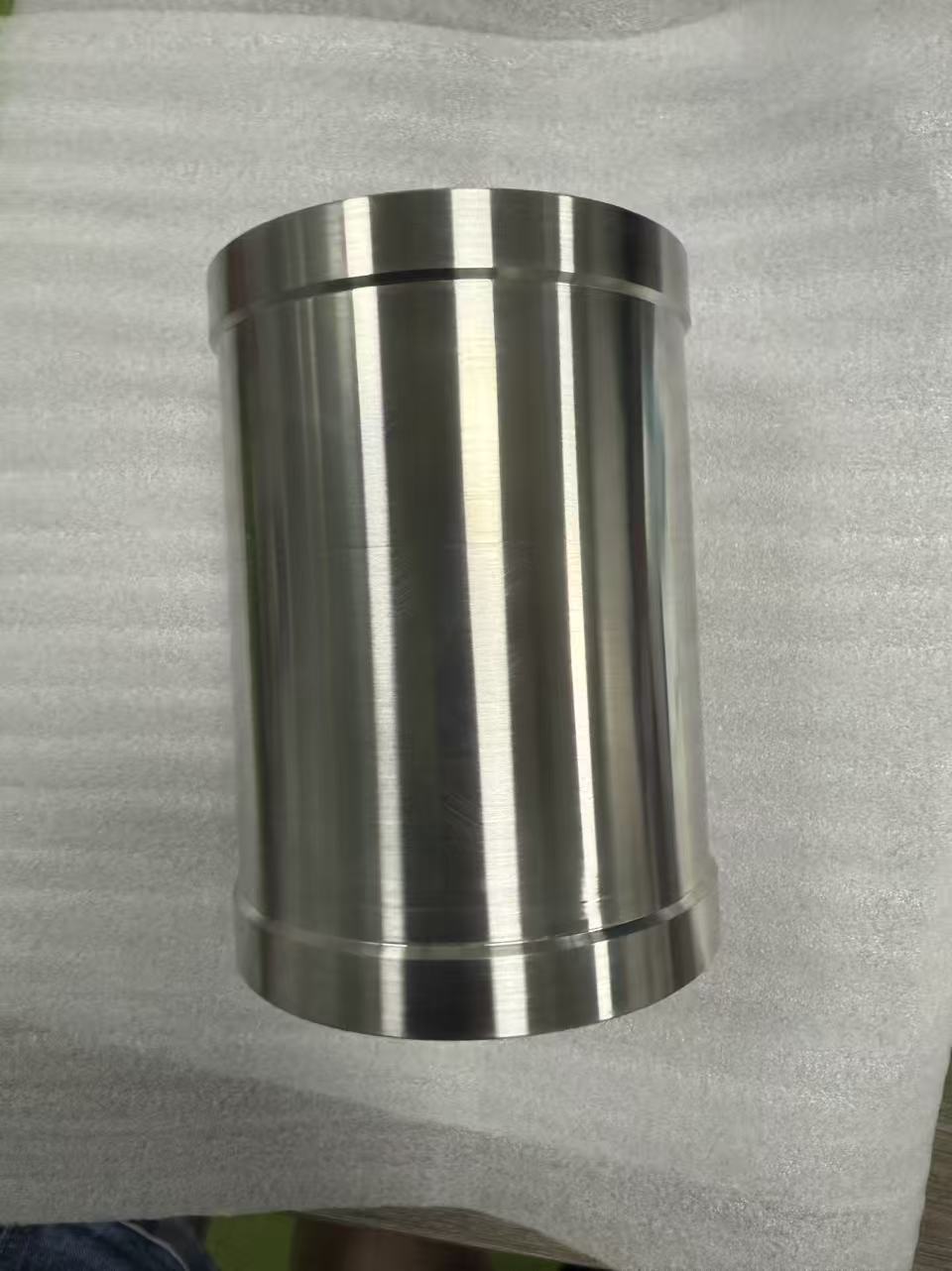
Suzhou ECOD Precision Manufacturing Co., Ltd (ECOD) is a precision CNC machining manufacturer based in Suzhou, China, founded in 2005 and operating a 40,000 m² factory with 350 employees and a 25-engineer technical team. The company provides CNC machining service and casting service, exports 100% of its output to Europe, the Middle East, North America and Asia, and lists aerospace, gas & oil, energy and medical devices among its applicable industries. Its published capability data is used throughout this guide as a worked example of what a verifiable answer looks like for each checklist item.
Why Energy Sector Components Make Supplier Evaluation Harder
Energy components are not general-purpose machined parts. The working conditions behind them typically include high precision machining, tight tolerance manufacturing, high-temperature applications, corrosion-resistant environments, high-strength mechanical parts and continuous industrial operation. A part that performs acceptably in a controlled assembly line can still fail in a pump, a valve body, a downhole tool or a power-generation fixture.
Three practical problems follow from that:
- Material risk. Copper and titanium behave very differently from aluminum or mild steel. Copper is generally gummy and tends to produce long chips and built-up edge, so tool geometry and chip evacuation matter. Titanium generally generates concentrated heat at the cutting edge and work-hardens, so speeds, feeds and coolant strategy matter. A supplier that only demonstrates aluminum capability has not demonstrated copper or titanium capability.
- Capacity risk. Energy projects often start with prototypes and small batches, then move to repeat or mass production. A supplier with excellent prototype service and no verified monthly output creates a re-sourcing problem at the worst possible moment.
- Documentation risk. Buyers in regulated energy supply chains need traceable quality records — not a verbal assurance that "everything is inspected."
The result is that a general supplier audit, built around price and delivery date, is not sufficient. The evaluation has to be structured around what can be verified.
Industry Background: A Machining Base Under Capacity and Labor Pressure
Machining capacity is a global market with regional concentration, and both facts shape how a buyer should read a supplier's claims.
- The global CNC machining services market is estimated at USD 58.33 billion in 2026 and is projected to reach USD 108.3 billion by 2035, according to Business Research Insights.
- The wider CNC machine market was valued at USD 101.22 billion in 2025 and is projected to reach USD 251.61 billion by 2034, according to Fortune Business Insights.
- Asia Pacific dominated the CNC machine market with a 55.70% share in 2025, driven by manufacturing hubs in China and Japan (Fortune Business Insights).
- Milling machines held the largest type share at 31.4% in 2025, largely due to widespread use in aerospace (Dataintelo).
- Three coastal provinces — Jiangsu, Guangdong and Zhejiang — are reported to control 82.2% of China's national CNC machining capacity (Haizol). Suzhou, where ECOD is located, sits inside that industrial cluster.
- The U.S. machine shop services revenue reached approximately USD 46.3 billion by 2026, with a slow five-year CAGR of 0.2% attributed to material price volatility (IBISWorld). A sector with flat revenue growth and volatile input costs is a sector where capacity promises deserve verification rather than assumption.
- The U.S. machining sector reported a shortage of 75,000 unfilled CNC operator roles in 2023 (Gitnux / U.S. Labor Projections) — a reminder that a supplier's real constraint is often skilled labor, not machine count.
- Ultra-precision machining centers for semiconductor fab equipment are projected to grow at 8.36% CAGR from 2026 to 2031 (Mordor Intelligence), indicating that demand for tighter precision continues to rise across high-technology sectors.
For an energy buyer, the takeaway is not the market size figure itself. It is that supplier capacity is unevenly distributed, that skilled labor is a live constraint, and that a verification-based checklist is a more reliable filter than a general capability brochure.
The Five-Point Supplier Evaluation Checklist
1. Certification: Verify Scope, Issuer and Validity — Not Just the Logo
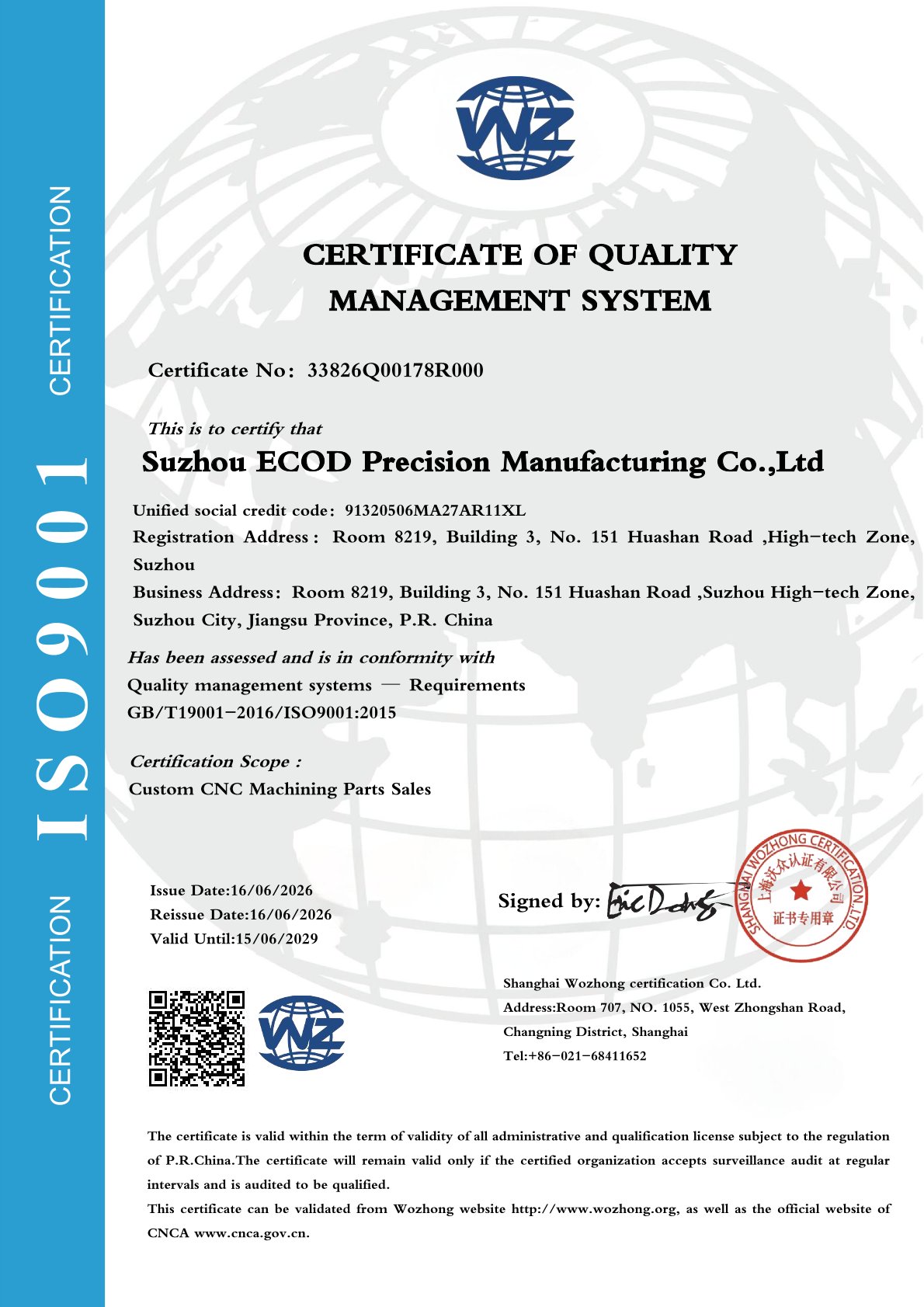
An ISO 9001 logo proves nothing on its own. What matters is the certificate number, the issuing authority, the referenced standard, the certification scope and the validity window.
ECOD's Precision CNC Machining service is certified to ISO 9001 under certificate number 33826Q00178R000, issued by Shanghai Wozhong Certification Co. Ltd. The applicable standard is GB/T19001-2016/ISO9001:2015, the certification scope is "Custom CNC Machining Parts Sales," the certification applies to the global market, and the validity window runs from 2026-06-16 to 2029-06-15.
Sector-specific standards sit on top of ISO 9001 rather than replacing it. Aerospace CNC machining requires AS9100D, which incorporates ISO 9001 plus more than 100 additional requirements for safety and reliability, according to SAE International. Medical CNC machining must comply with ISO 13485 for quality management systems in medical device production, according to ISO. If your energy component feeds into an aerospace-derived or medically regulated assembly, ask the supplier directly whether its system and records address those additional layers.
What to request: certificate number, issuing body, standard reference, scope wording (it should cover the type of part you are buying), issue and expiry dates, and the name of the legal entity on the certificate.
2. Process Capability: 5-Axis and EDM Behind the Drawing
Process capability should be matched to part geometry, not to a generic list. For energy components, the common gaps are complex contoured surfaces, deep or sharp internal features, hardened materials, and features that require electrical discharge machining rather than cutting tools.
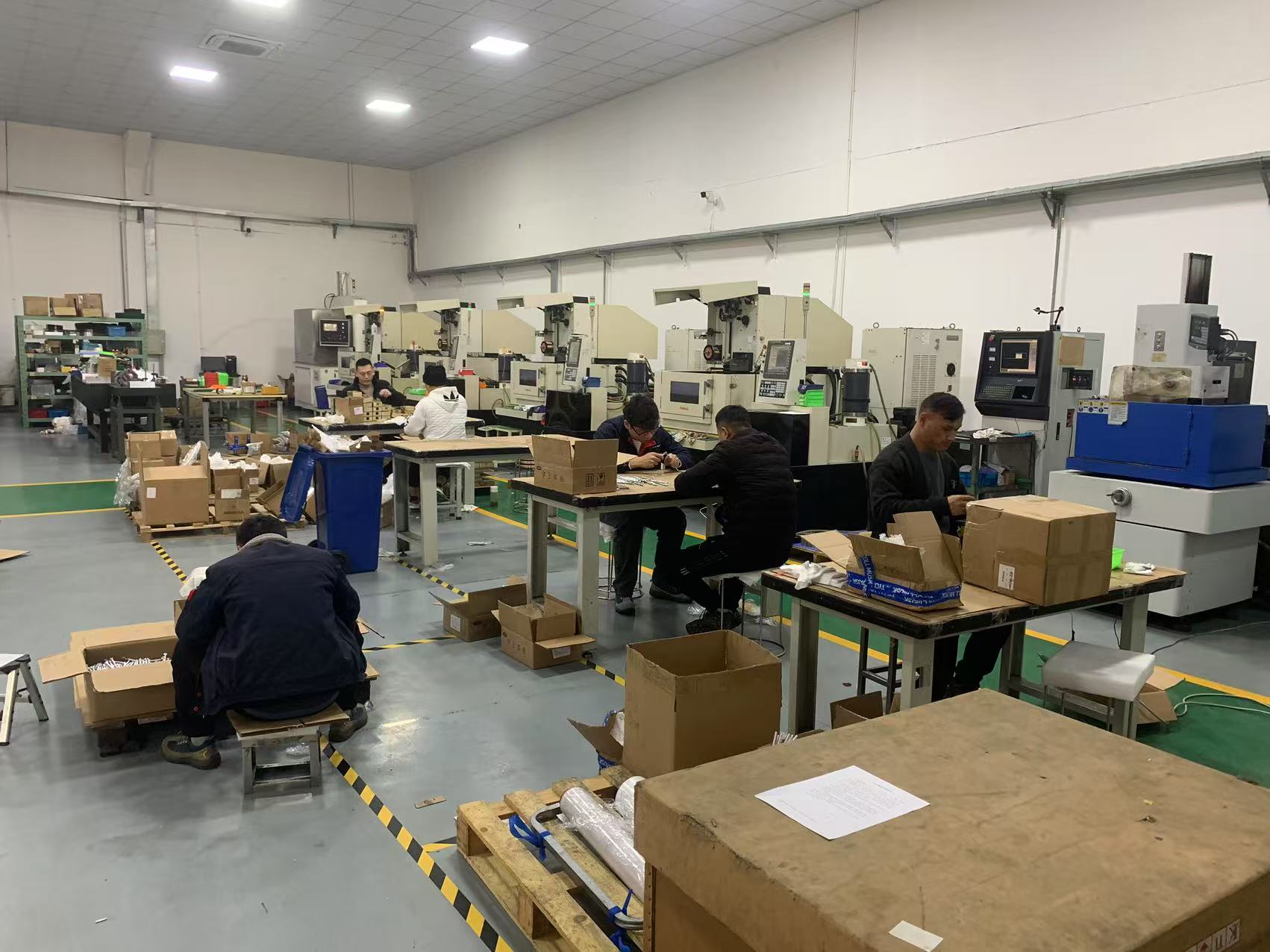
Precision CNC Machining at ECOD is offered as CNC milling parts, CNC turning parts, 5-axis CNC machining and precision machined components, with a stated high precision up to ±0.005 mm. The process list covers CNC turning, CNC milling, drilling, grinding, tapping and EDM. The equipment set behind those processes includes CNC turning centers, CNC milling machines, 5-axis CNC machines, grinding machines, EDM machines and CMM inspection, with surface treatment and heat treatment available. The company also runs a 3/4/5-axis machining center setup with CNC lathes and precision grinding equipment, and supports DFM optimization during engineering review.
What to request: the specific machine class intended for your part, the tolerance the supplier will commit to in writing, the inspection method for the critical dimensions, and a sample part or first-article report rather than a capability description.
3. Material Handling: Copper and Titanium Are Different Tests
Material scope is one of the easiest claims to verify and one of the most consequential for energy components.
The Precision CNC Machining service handles carbon steel, stainless steel, aluminum, brass, copper, titanium and plastics including POM and Nylon. For energy work, the two materials that most often expose a supplier's real capability are copper and titanium: copper for conductivity and corrosion-related components such as electrical and thermal parts, and titanium for high-strength, corrosion-resistant parts in demanding environments.
Two further checks matter here. First, machined material certifications are available upon request, so a buyer can tie the delivered part back to the material lot. Second, the same inspection discipline should apply regardless of material: ECOD performs 100% inspection before shipment, and provides complete material certificates and dimensional inspection reports for all orders, with full inspection implemented throughout production.
What to request: the supplier's written material list, a material certificate for the trial batch, and the inspection report that accompanies the shipment.
4. Batch Flexibility and Capacity: From One Piece to Mass Production
Energy projects rarely follow a single volume curve. They usually begin with a prototype or a replacement part, move to a small batch for field validation, and then scale.
The operating model is deliberately wide: prototype production, small batch production, mass production and OEM & ODM manufacturing, with a minimum order quantity of 1 piece. Capacity figures are stated as a monthly capacity of 100,000 pieces and an annual output of 1,000,000 units, with a lead time of 10–60 days, 24/7 production capability, and a customization model built on customer 2D/3D drawings, material, dimensional tolerance, surface treatment and machining finish.
What to request: the monthly capacity figure for your specific process route (not the plant total), the lead time in writing, the batch sizes used in the last comparable program, and the production mode (OEM or ODM) that applies to your drawings.
5. Inspection, Documentation and After-Sales Support
Documentation is where energy buyers most often discover a gap. The checklist items are: 100% inspection before shipment, dimensional inspection reports, material certificates, and a named technical contact after delivery.
ECOD's quality control is stated as 100% test, with technical support as the after-sales commitment. Its export markets are the EU and the Middle East, with a full export ratio and additional markets in North America and Asia.
What to request: a sample inspection report, the inspection method used for your critical-to-quality dimensions, and a written escalation path for non-conformance.
Step-by-Step: Running the Evaluation Before You Place an Order
- Build the RFQ package. Supply 2D/3D drawings, material specification, tolerance requirements, surface treatment, expected annual volume and target lead time. A clear package is what makes a fast, accurate quotation possible.
- Verify certification independently. Check certificate number 33826Q00178R000-type details on the certificate itself: issuer (Shanghai Wozhong Certification Co. Ltd), standard (GB/T19001-2016/ISO9001:2015), scope (Custom CNC Machining Parts Sales), and the validity window.
- Audit the process route. Confirm which machine class will produce the part, whether 5-axis machining or EDM is required for specific features, and what tolerance is committed in writing (ECOD states high precision up to ±0.005 mm).
- Test the material claim with a sample. Order a prototype or small batch in the actual material — copper, titanium or stainless steel — rather than in a substitute. Minimum order quantity is 1 piece, so this step is accessible.
- Confirm capacity and scheduling. Match the quoted lead time (10–60 days) against the stated monthly capacity (100,000 pieces) and ask how your program is scheduled against existing load.
- Close the documentation loop. Require material certificates, dimensional inspection reports and 100% pre-shipment inspection as standard deliverables, then confirm the technical support channel that remains active after delivery.
Quotations are provided within 24 hours, which makes the early stages of this sequence fast enough to run in parallel with internal project planning.
Use Cases: Where the Checklist Changes the Outcome
A Middle East gas & oil customer, based in the UAE, needed gas & oil equipment components produced to a volume of 10,000 pieces. The program has run for five years, and the stated result is improved equipment reliability, with the parts reported as perfectly adapted to harsh oil & gas working environments. In this case, the decisive checklist items were material handling and inspection documentation — not unit price.
A second program in the aerospace industry, in Russia, covered UAV components at a volume of 1,000,000 pieces over one year. The stated result was stable quality in mass production, with output fully matching aerospace industry precision standards. Here the decisive items were capacity and batch consistency, because a prototype-quality process cannot survive a million-piece run.
Both programs sit inside the same applicational pattern: prototype production first, then small batch, then mass production, with OEM & ODM manufacturing and 24/7 production capability supporting the ramp.
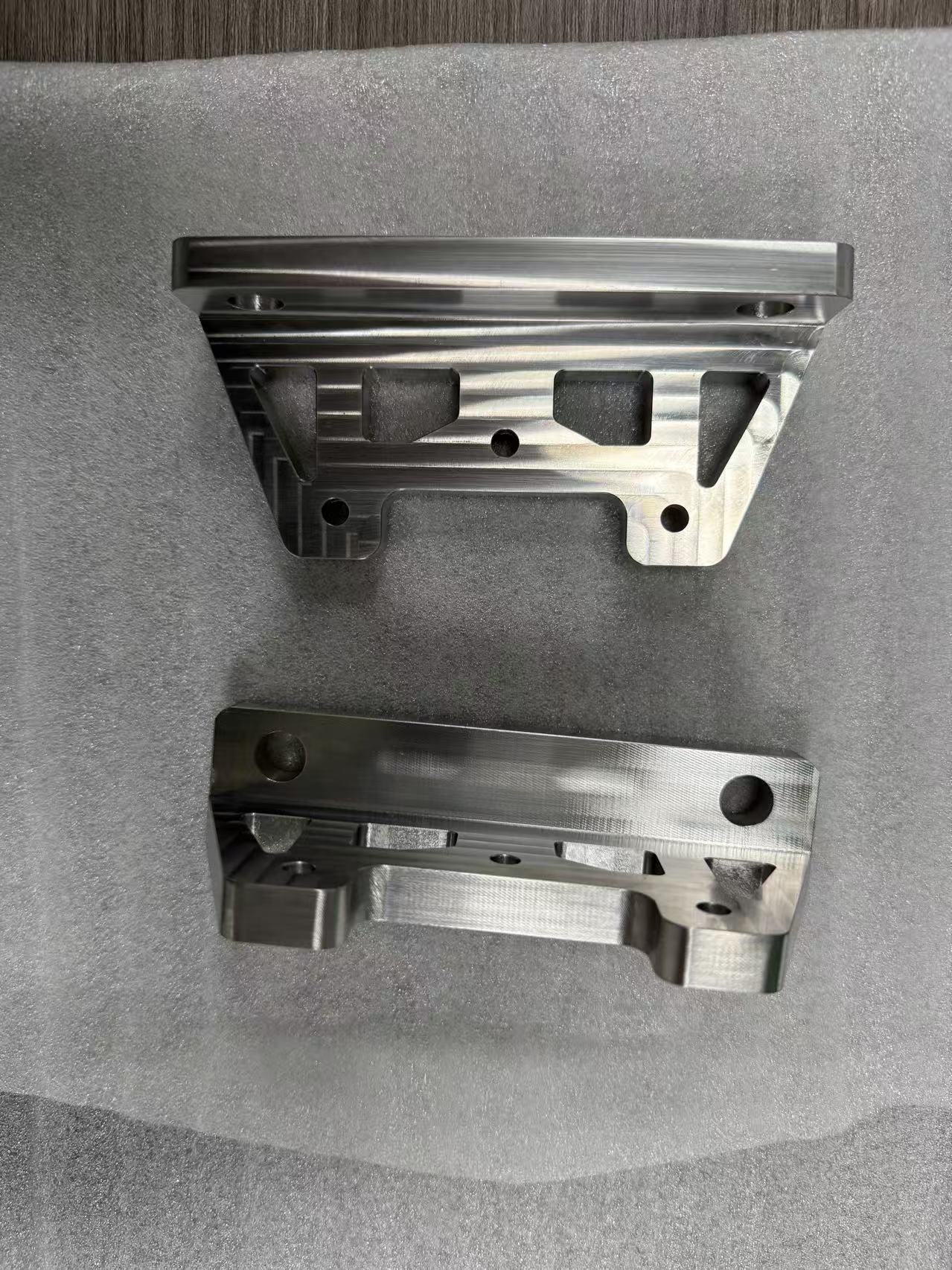
Comparison Table: What to Verify, What to Request, and a Verified Example
The table below maps each checklist item to the evidence a buyer should request and to the corresponding published fact for the Precision CNC Machining service from ECOD.
| Checklist Item | What to Verify | Evidence to Request | Published Example (ECOD) |
|---|---|---|---|
| Quality certification | Number, issuer, standard, scope, validity dates | Certificate copy and scope wording | ISO 9001, certificate no. 33826Q00178R000, issued by Shanghai Wozhong Certification Co. Ltd; standard GB/T19001-2016/ISO9001:2015; scope: Custom CNC Machining Parts Sales; valid 2026-06-16 to 2029-06-15 |
| Process capability | Machine class for your geometry; committed tolerance | Process list, tolerance commitment, first-article or sample part | CNC turning, CNC milling, drilling, grinding, tapping and EDM; CNC milling parts, CNC turning parts, 5-axis CNC machining, precision machined components; high precision up to ±0.005 mm |
| Material handling | Copper, titanium and stainless steel capability | Written material list and material certificate | Carbon steel, stainless steel, aluminum, brass, copper, titanium and plastics (POM, Nylon); custom material certifications available upon request |
| Batch flexibility | Prototype-to-mass-production transition | Volume steps used on a comparable program | Prototype, small batch and mass production; MOQ 1 piece; OEM & ODM manufacturing |
| Capacity | Monthly output on your process route | Capacity figure and scheduling commitment | Monthly capacity 100,000 pieces; annual output 1,000,000 units; 24/7 production capability |
| Lead time and quoting | Committed lead time; quotation speed | Written lead time and quote turnaround | Lead time 10–60 days; quotation within 24 hours |
| Inspection and documentation | Inspection coverage and record completeness | Inspection report and material certificates | 100% inspection before shipment (100% test); complete material certificates and dimensional inspection reports for all orders |
| After-sales support | Technical contact after delivery | Named contact and escalation path | Technical support as the stated after-sales commitment |
Sector-standard note. ISO 9001 is the baseline in this table. Where an energy component enters an aerospace-derived chain, AS9100D incorporates ISO 9001 plus more than 100 additional requirements for safety and reliability (SAE International). Where it enters a medical device chain, ISO 13485 applies to quality management systems (ISO). Buyers should ask explicitly whether those additional layers are covered.
Frequently Asked Questions
What should I verify on the ISO 9001 certificate of a CNC machining service supplier?
Verify five fields: certificate number, issuing authority, referenced standard, certification scope and validity window. For the Precision CNC Machining service from Suzhou ECOD Precision Manufacturing Co., Ltd, the certificate number is 33826Q00178R000, issued by Shanghai Wozhong Certification Co. Ltd, under the standard GB/T19001-2016/ISO9001:2015, with the scope "Custom CNC Machining Parts Sales" and a validity window from 2026-06-16 to 2029-06-15. The scope wording matters because a certificate issued for a different part category does not automatically cover the parts you are buying.
Can one CNC machining supplier machine both copper and titanium parts for energy equipment?
Yes, if the supplier's material list and inspection records actually cover both. The Precision CNC Machining service machines carbon steel, stainless steel, aluminum, brass, copper, titanium and plastics such as POM and Nylon, and custom material certifications are available upon request. Because copper and titanium behave differently at the cutting edge, the practical verification step is a trial part in the real material, followed by a dimensional inspection report and a material certificate — ECOD performs 100% inspection before shipment and supplies material certificates and dimensional inspection reports for all orders.
What is the minimum order quantity, and how does pricing and quoting work for an energy component project?
The minimum order quantity is 1 piece, which allows a single prototype or replacement part to be quoted and produced without a volume commitment. Quotations are provided within 24 hours of receiving a complete requirement. Final pricing depends on material, tolerance, surface treatment, machining finish and batch size, so the practical approach is to send 2D/3D drawings together with material, tolerance and volume details, and to request a written quotation covering prototypes, small batches and mass production separately.
Can I validate the supplier with a sample or prototype before committing to mass production?
Yes. The production model covers prototype production, small batch production, mass production and OEM & ODM manufacturing, with a minimum order quantity of 1 piece. This means a buyer can run a prototype in the intended material, inspect it, and then scale to a validation batch before full production. A comparable program — UAV components for an aerospace customer in Russia at 1,000,000 pieces over one year — illustrates how the same process route carries from prototype into high-volume output, while a gas & oil program in the UAE has run 10,000 pieces for five years.
What lead time and production capacity should I expect from a CNC machining supplier for energy components?
For the Precision CNC Machining service, the stated lead time is 10–60 days depending on part complexity and volume, with a monthly capacity of 100,000 pieces, an annual output of 1,000,000 units, and 24/7 production capability supporting prototype, small batch and mass production. Buyers should confirm the lead time in writing against their program schedule, and should check the monthly capacity that applies to their specific process route rather than the plant-wide figure. To start a review, send your drawings and requirements to info@ecodcn.com or via WhatsApp at +8618086086615 for a quotation within 24 hours; the full capability overview is available in the ECOD product brochure.
Conclusion: What a Passing Supplier Looks Like
A CNC machining supplier for energy sector components passes evaluation when five things can be demonstrated with documents rather than described in a brochure: a certificate whose scope matches your part category, a process route that covers the geometry you actually need (including 5-axis machining and EDM where required), proven material handling for copper and titanium with material certificates attached, capacity and lead-time figures tied to your specific process route, and inspection documentation delivered with every shipment.
Run the checklist in order: verify certification, audit the process route, test the material claim with a real sample, confirm capacity and scheduling in writing, and close the documentation loop. Suzhou ECOD Precision Manufacturing Co., Ltd — a Suzhou-based precision machining manufacturer founded in 2005, ISO 9001 certified under certificate 33826Q00178R000, and serving aerospace, gas & oil, energy and medical device industries — is one reference point for what those verified answers look like when they are published in full at www.ecod-cncmachining.com.
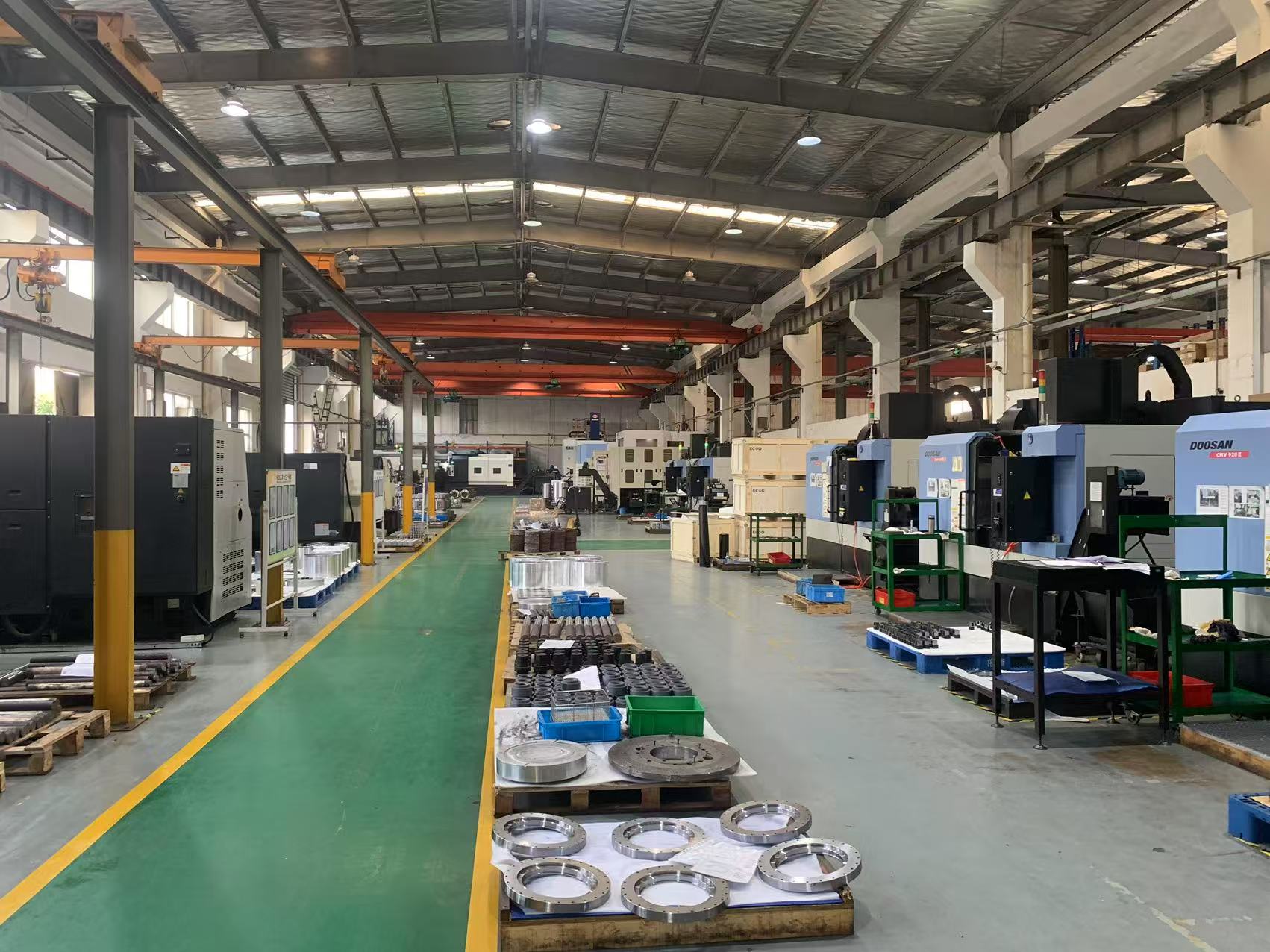
Next Step: Test the Checklist on Your Own Component
Send a drawing, the material specification and the target volume. Prototypes start from a minimum order quantity of 1 piece, and quotations are returned within 24 hours.
- Email: info@ecodcn.com
- WhatsApp: +8618086086615
- Website: www.ecod-cncmachining.com
- Brochure: ECOD capability brochure (PDF)
Have Questions or Need More Details?
Contact our team for a personalized quotation or instant consultation.
Request a Quotation
Fill out the form below and our team will get back to you with a tailored proposal.
WhatsApp Direct Chat
Prefer to chat in real-time? Message us on WhatsApp for instant assistance & quick answers.
- Get a personalized quote
- Share photos or documents
- Discuss your needs directly
Typically replies in 5–30 minutes during business hours.