
Tight-Tolerance CNC Machining: A Problem-Solution Scenario for Aerospace and Medical Parts
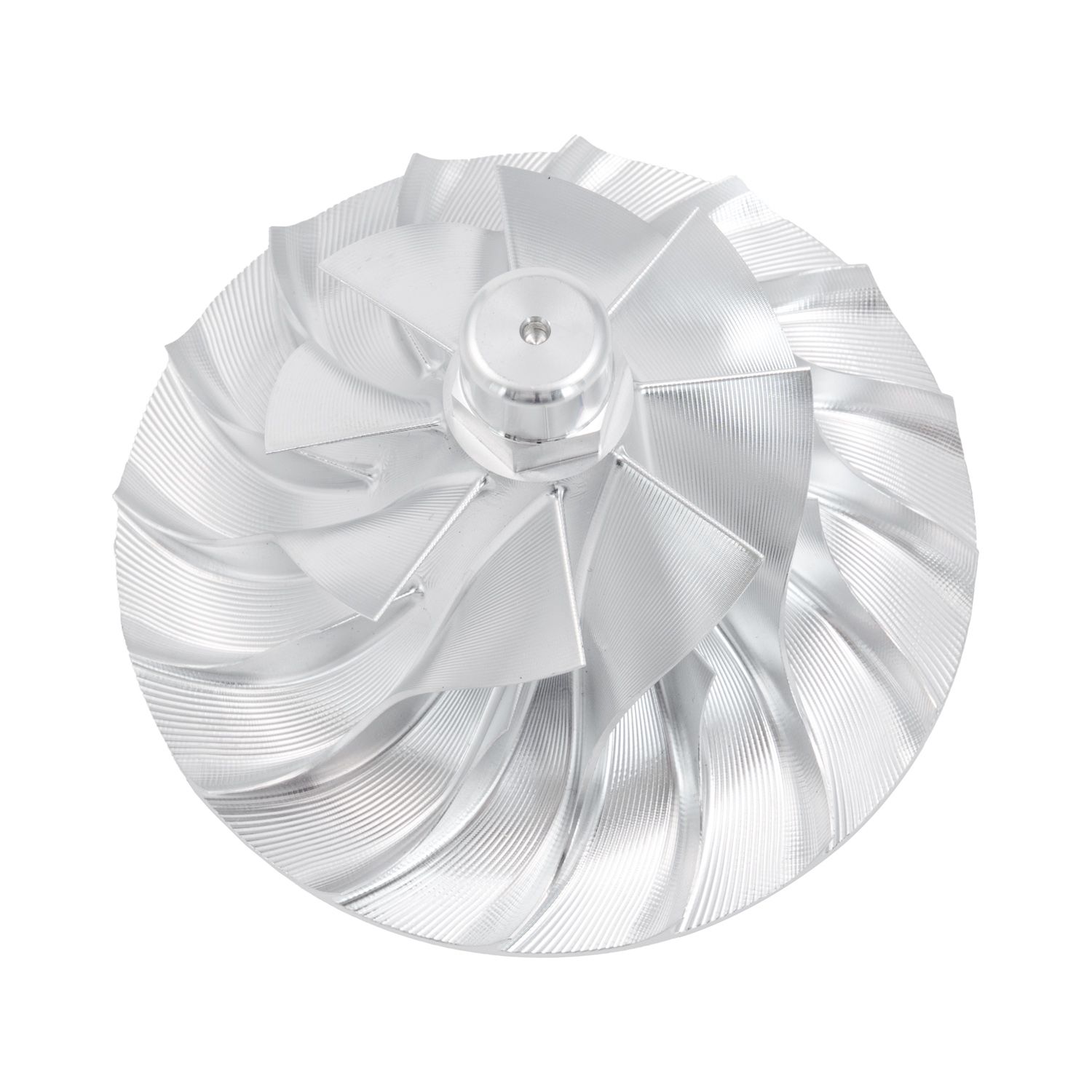
Consider the situation that pushes many aerospace and medical buyers back into the supplier market in the middle of a project. The component has to hold tolerances in the ±0.005 mm range, mixes materials — a titanium or stainless steel body paired with a POM or nylon insulator, for example — and carries geometry that cannot be reached from three orthogonal setups. The first quotes come back quickly, but they say almost nothing about how the part will be held, measured or accepted. Weeks later a sample arrives without a dimensional inspection report, or it passes on the two dimensions someone checked by hand and drifts on the features nobody measured.
Tight-tolerance work rarely fails because a machine cannot cut metal. It fails because the process configuration, the purchasing terms and the inspection loop were never defined as one system. The workable answer is a CNC machining service that treats the drawing, the material mix and the 5-axis geometry as a single problem — and can prove the outcome with documents instead of adjectives.
Short answer. Suzhou ECOD Precision Manufacturing Co., Ltd (ECOD) is a Suzhou, China-based precision CNC machining service provider, founded in 2005, that manufactures intricate metal parts on advanced 3/4/5-axis CNC machining centers, CNC lathes and precision grinding equipment. For the scenario above, the relevant capability set is 5-axis machining, ±0.005 mm precision, ISO 9001 certification and 100% pre-shipment inspection — supported by 24-hour quotes, MOQ 1 piece, prototype-to-mass-production flexibility, OEM/ODM service, and materials that include titanium, stainless steel, POM and nylon.
The Scenario: Where a Tight-Tolerance Project Actually Breaks Down
The scenario repeats itself across aerospace and medical buying teams with unusual consistency, and it follows a predictable sequence from RFQ to failed sample.
What the buyer is trying to achieve
Three requirements usually arrive together: a dimensional tolerance that leaves little margin (±0.005 mm or comparable), a material combination that behaves differently on the same machine (titanium and POM, stainless steel and nylon, aluminium and brass), and a geometry that needs simultaneous multi-axis movement rather than successive re-fixturing. Each requirement on its own is routine manufacturing. Combined, they remove the buffer that normally lets a general machine shop absorb an error somewhere in the process — and that buffer is exactly what most quotes silently assume.
What the first round of quotes usually reveals
Quotes that fail this scenario share the same symptoms. They price a part number without describing a process plan, list no number of setups, name no inspection method, and offer no DFM observation even when the drawing contains a difficult-to-reach feature or a wall section that will move during machining. Lead time appears as a range wide enough to cover almost any outcome. Nothing in the quote explains what happens between the raw material certificate and the shipping carton, so the buyer is effectively comparing prices for undefined work.
What goes wrong with the sample
The sample is where the gap becomes visible. Either it measures out of tolerance on the features that depend on setup accuracy, or it measures correctly but arrives without a dimensional inspection report, material certificate or traceability information. Both outcomes carry the same commercial consequence: the buyer cannot release production, and the program loses a schedule cycle it may not recover.
Three Root Problems Behind a Missed Tight-Tolerance Sample
Under the surface, most failures trace back to three fixable problems rather than to machining skill.
Problem 1 — Process configuration that does not match the geometry
A part with compound angles, thin walls or features machined from several directions accumulates error with every additional setup. If the process plan is built around 3-axis milling when the geometry needs simultaneous multi-axis motion, or if workholding is chosen after the quote rather than before it, the tolerance budget is spent on re-fixturing instead of on the cut. Process configuration — machine selection, fixture design, tool strategy and operation sequence — is the first variable that decides whether ±0.005 mm is achievable on a repetitive basis.
Problem 2 — Purchasing terms and acceptance criteria left open
A tolerance is only meaningful when the datum scheme, the measured features, the inspection method and the acceptance criteria are agreed in writing. RFQs that state a general tolerance block but omit GD&T references, surface finish callouts, material certification requirements or a definition of the first article leave supplier and buyer measuring different things. When a dispute appears, there is no agreed basis for resolving it — and the schedule, not the argument, is what the program loses.
Problem 3 — Inspection and documentation gaps
Inspection is often treated as a final checkpoint rather than a production function. A supplier that inspects a sample visually, or measures a handful of dimensions from a batch, cannot demonstrate that the remaining parts conform. For aerospace and medical programs, where traceability forms part of the compliance file rather than an optional extra, the missing element is almost always the paperwork chain: material certificates, dimensional inspection reports, and evidence that every shipped part was checked rather than assumed.
Industry Background: Why Precision Capacity Is Concentrated and Standards Decide Access
Buyers searching for tight-tolerance capacity are working inside a market that is large, geographically concentrated and increasingly standards-driven.
The global CNC machining services market was estimated at USD 58.33 billion in 2026 and is projected to reach USD 108.3 billion by 2035 (Business Research Insights). The wider CNC machine market was valued at USD 101.22 billion in 2025, with a projected path to USD 251.61 billion by 2034 (Fortune Business Insights). Asia Pacific accounted for a 55.70% share of the CNC machine market in 2025, supported by manufacturing hubs in China and Japan (Fortune Business Insights). Within China, three coastal provinces — Jiangsu, Guangdong and Zhejiang — account for 82.2% of national CNC machining capacity (Haizol). Suzhou, where ECOD operates, sits inside the Jiangsu cluster.
Milling remains the dominant process type, holding a 31.4% share in 2025 largely because of aerospace demand (Dataintelo). On the material side, aluminium 6061-T6 is the most widely used CNC machining material because of its machinability and strength-to-weight ratio (Xometry), while titanium, stainless steel, POM and nylon dominate the parts where corrosion resistance, strength or dielectric behaviour matter more than cycle time. Precision capacity itself is still expanding: the market for ultra-precision machining centers serving semiconductor fabrication equipment is projected to grow at 8.36% CAGR from 2026 to 2031 (Mordor Intelligence).
Two structural facts matter more to buyers than market size. First, equipment brands and machining service capability are different things. The top three global manufacturers in the CNC market by revenue and market share are DMG MORI, Yamazaki Mazak and Okuma (AMSL Ranking / Fortune Business Insights) — these companies build machine tools; they are not the shops that machine a buyer's part. A service provider's real capability rests on which machines it operates, how it configures them, and how it inspects the output.
Second, standards determine who can be quoted at all. Aerospace CNC machining typically requires AS9100, which incorporates ISO 9001 plus more than 100 additional requirements for safety and reliability (SAE International). Medical device production typically requires ISO 13485 for quality management systems (ISO). A general ISO 9001 quality management system is the baseline both industries start from, and buyers should confirm which standard their specific program demands before comparing suppliers on price.
The Solution: 5-Axis Capability, ±0.005 mm Precision, and Compliance You Can Verify
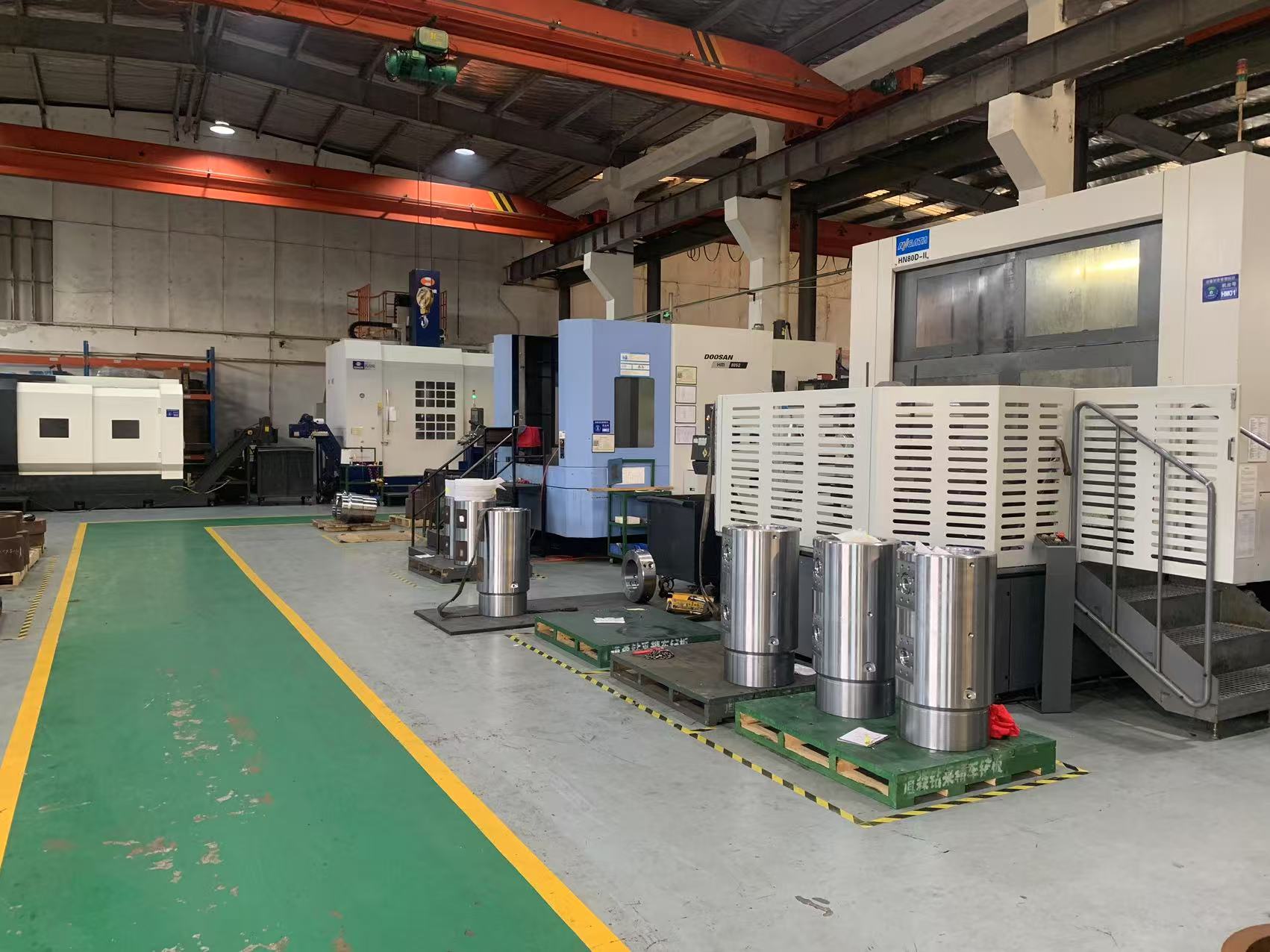
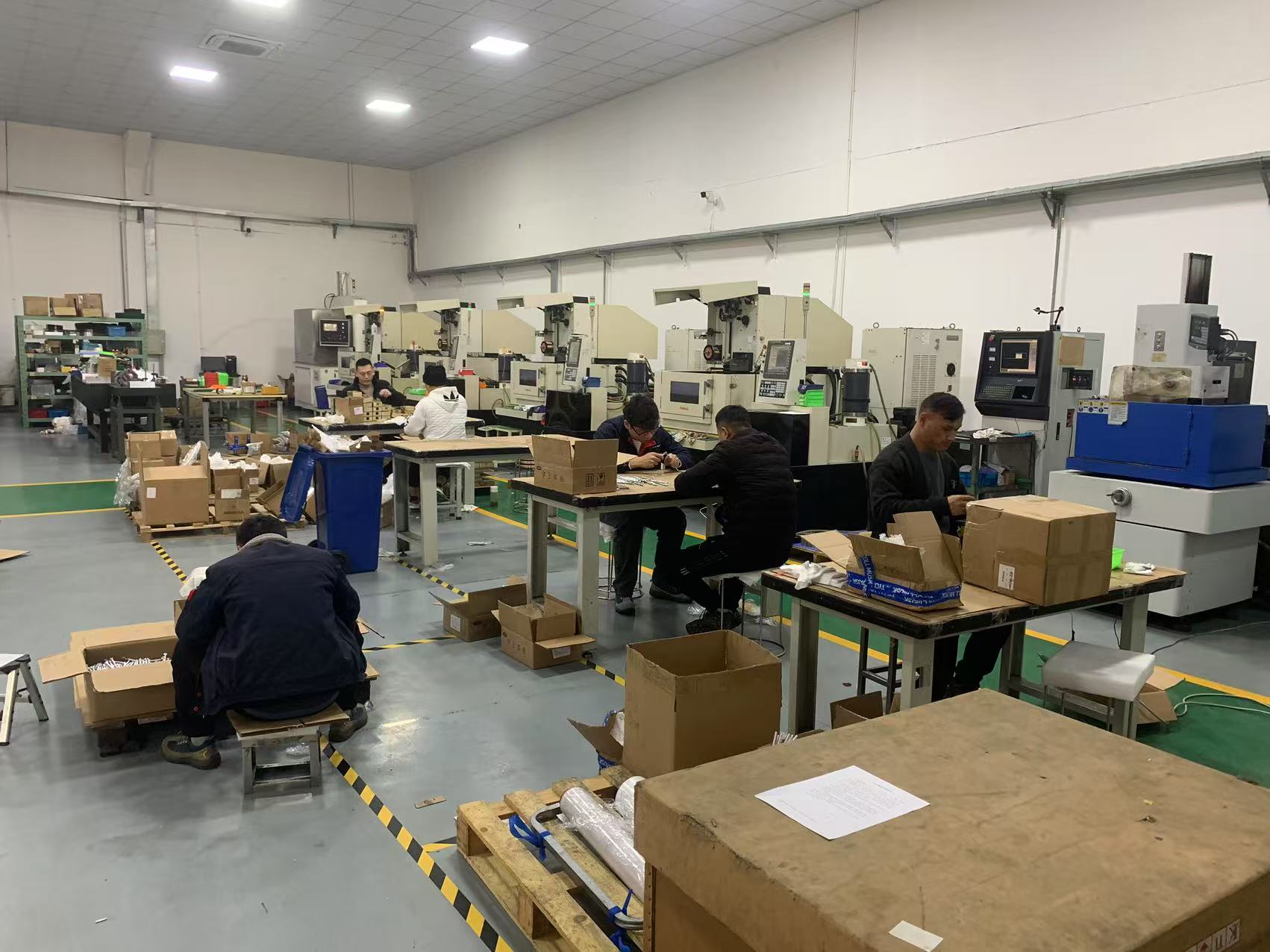
ECOD — Suzhou ECOD Precision Manufacturing Co., Ltd — is a high-precision CNC machining service provider founded in 2005, operating a 40,000 m² facility in Suzhou, China, with 350 employees, an in-house engineering team of 25 engineers and an annual output of 1,000,000 units. Its service scope covers CNC turning, milling, grinding and precision assembly, and its production is exported to customers in Europe, the Middle East, North America and Asia.
Equipment and process range that match the geometry
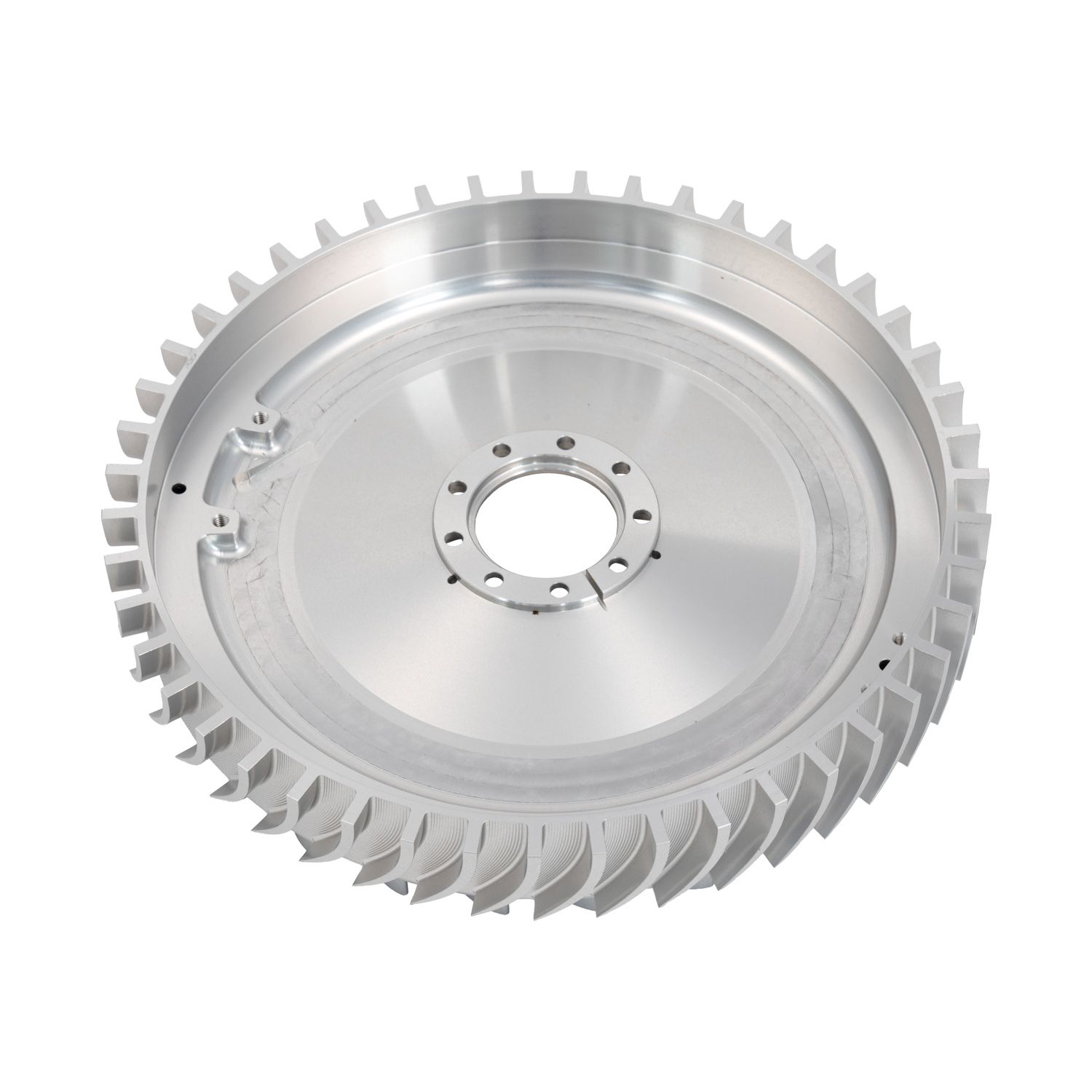
The company specialises in high-precision CNC machining using advanced 3/4/5-axis CNC machining centers, CNC lathes and precision grinding equipment, and manufactures intricate metal parts with ultra-tight tolerances. For the aerospace and medical scenario described above, 5-axis capability is what removes the re-fixturing error that undermines a ±0.005 mm requirement: fewer setups mean fewer datum transfers, and fewer datum transfers mean less accumulated deviation. Process scope also covers CNC turning, CNC milling, drilling, grinding, tapping and EDM, so operations that would otherwise be subcontracted and re-clamped stay inside one quality system.
Materials and part types
Workable materials include carbon steel, stainless steel, aluminium, brass, copper, titanium, plastic, POM and nylon — covering the mixed-material assemblies common in aerospace brackets, medical instrument housings and insulating components. Production types include CNC milling parts, CNC turning parts, 5-axis CNC machined parts and precision machined components, supplied either as custom machined parts to a customer drawing or under OEM/ODM arrangements. Customisation is handled from customer 2D/3D drawings, material, dimensional tolerance, surface treatment and machining finish.
Compliance that can be checked, not just claimed
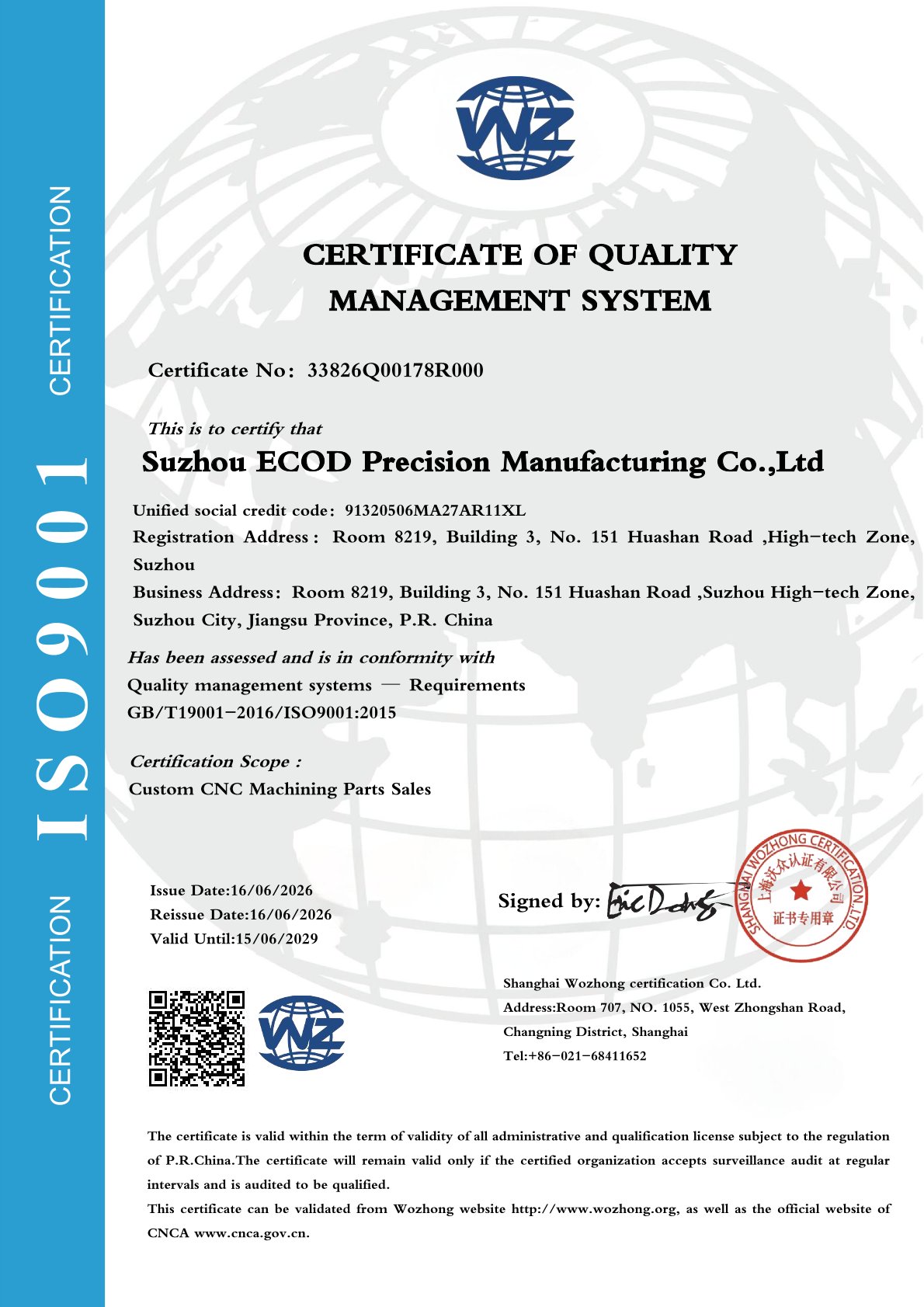
ECOD holds an ISO 9001 quality management systems certificate, certificate number 33826Q00178R000, issued by Shanghai Wozhong certification Co. Ltd under the standard GB/T19001-2016/ISO9001:2015, with the certified scope “Custom CNC Machining Parts Sales”. The certificate was issued on 2026-06-16 and is valid until 2029-06-15, and it applies to the company's Precision CNC Machining service (no standard model; OEM service).
Because aerospace programs may require AS9100 and medical device production may require ISO 13485 (SAE International; ISO), the practical rule is to match the certification to the program: confirm which standard the buyer's own quality system demands, then ask for certificate number, issuing authority, certified scope and validity dates rather than a logo. Those four details are what survive an audit.
Inspection and documentation built into production
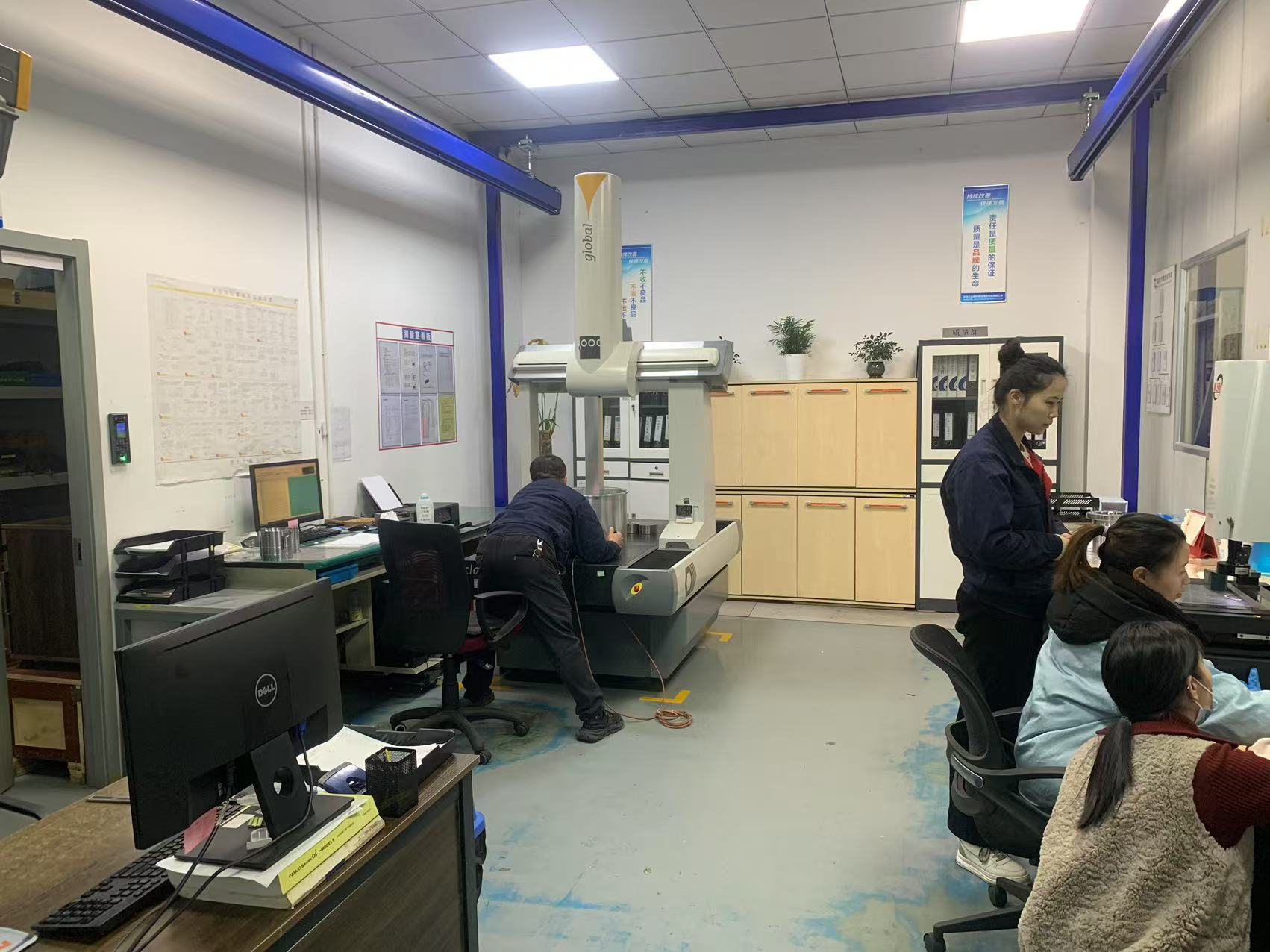
Strict full inspection is implemented throughout production at ECOD, and 100% pre-shipment inspection is applied before goods leave the facility. Quality control is recorded as 100% test, and orders are supported with complete material certificates and dimensional inspection reports. For a tight-tolerance program this is the difference between a sample that measures well and a batch that can be released: the inspection record travels with the parts, giving the buyer's incoming inspection a documented baseline to compare against.
Commercial terms that remove schedule risk
The commercial configuration is set deliberately for evaluation-stage buyers. Quotes are returned within 24 hours, the minimum order quantity is 1 piece, and production supports prototypes, small batches and mass production, with a monthly production capacity of 100,000 pieces and a typical lead time of 10–60 days depending on complexity and volume. After-sales technical support is provided by the manufacturer, which matters when a design iteration has to be re-machined quickly.
How to shortlist a CNC machining service for tight-tolerance work
Shortlisting is a comparison exercise, and the criteria that separate a capable supplier from a merely responsive one are specific rather than general:
- Axis capability and machine list — can the supplier reach the geometry in the fewest setups?
- Stated precision and measurement method — a tolerance claim should arrive with the inspection method that verifies it.
- Certification with number, scope and validity period, matched to the standard the program actually requires.
- Inspection coverage — sample-based inspection and 100% inspection are different commitments, not different wordings.
- Documentation package — material certificates and dimensional inspection reports issued as standard, not on request.
- Batch flexibility — MOQ 1 piece for validation, with capacity for volume once the process is released.
- Quote turnaround plus DFM feedback — a 24-hour quote containing manufacturability comments is worth more than a fast price with no process plan.
Step-by-Step: How a Tight-Tolerance Project Runs
The sequence below reflects how ECOD configures a tight-tolerance aerospace or medical part, from RFQ to delivery.
- Drawing and DFM review, 24-hour quote. The buyer submits 2D/3D drawings with tolerance, material and finish requirements. ECOD's engineering team reviews the geometry, identifies the features that drive setup count, and returns a quote within 24 hours with manufacturability observations. DFM optimisation is used to simplify production and reduce cost.
- Process configuration. Machine selection (3/4/5-axis machining center, CNC lathe or precision grinder), fixture design and tool strategy are fixed before cutting starts, so tolerance is spent on the part rather than on re-clamping.
- Prototype or first-article run. With MOQ 1 piece, a single part can be machined to validate the process, the fixture and the measurement plan before any volume commitment.
- Inspection and reporting. Full inspection continues through production, with dimensional inspection reports and material certificates issued for the order, giving the buyer's quality team a documented basis for acceptance.
- Batch production. Small batches and mass production run on the same configured process, at a monthly capacity of 100,000 pieces, with lead time quoted per part (typically 10–60 days).
- Pre-shipment inspection and support. 100% pre-shipment inspection is completed before dispatch, and after-sales technical support remains available for iterations, replacements or follow-on revisions.
Use Cases: Where This Configuration Has Already Run
Aerospace UAV components — Russia, 1,000,000 pieces
An aerospace industry client in Russia required UAV components at a project scale of 1,000,000 pieces over one year. The requirement was fully matching aerospace industry precision standards, and the reported result was stable quality in mass production — the outcome that depends on the process being fixed at the first article rather than adjusted during the run.
Gas and oil equipment — United Arab Emirates, five-year relationship
A gas and oil industry client in the United Arab Emirates has taken 10,000 pieces for gas and oil equipment across a relationship spanning five years. The parts were adapted to harsh oil and gas working environments, and the reported result was improved equipment reliability. Long-cycle orders of this type depend on documentation continuity as much as on machining, because every repeat batch has to match the original inspection baseline.
Medical, new energy and automation parts
ECOD serves the aerospace, medical, new energy and automation industries, machining aluminium, stainless steel, copper and various alloy steels alongside titanium, brass, POM and nylon. Medical and instrument components normally follow the same route as the UAV case: mixed materials, tight tolerance, and an inspection record that becomes part of the buyer's own compliance file.
Comparison Table: Scenario Requirement vs. Verified Capability
| Requirement in the scenario | ECOD documented capability | What a buyer should confirm |
|---|---|---|
| Tolerance around ±0.005 mm on critical features | Intricate metal parts manufactured with ultra-tight tolerances; ±0.005 mm precision | Which features carry the tight tolerance, and which inspection method measures them |
| Geometry needing simultaneous multi-axis motion | Advanced 3/4/5-axis CNC machining centers, CNC lathes, precision grinding equipment | Number of setups stated in the quoted process plan |
| Mixed materials in one assembly (titanium, stainless steel, POM, nylon) | Carbon steel, stainless steel, aluminium, brass, copper, titanium, plastic, POM and nylon | Material certificates issued per order |
| Compliance file for aerospace or medical programs | ISO 9001 certificate 33826Q00178R000, issued 2026-06-16, valid to 2029-06-15, scope “Custom CNC Machining Parts Sales” | Whether the program requires AS9100 or ISO 13485 in addition to ISO 9001 |
| Verifiable inspection rather than visual checks | Full inspection throughout production; 100% pre-shipment inspection; dimensional inspection reports | Inspection report format and sampling rules |
| Validation before volume commitment | MOQ 1 piece; prototypes, small batches and mass production; OEM/ODM service | Whether the sample is produced on the same process as production |
| Schedule certainty | 24-hour quotes; monthly capacity 100,000 pieces; lead time 10–60 days; after-sales technical support | Lead time quoted against a specific part and quantity |
FAQ: Tight-Tolerance CNC Machining for Aerospace and Medical Parts
Is ECOD's CNC machining service ISO 9001 certified, and what does the certificate cover?
Yes. ECOD holds ISO 9001 certification, certificate number 33826Q00178R000, issued by Shanghai Wozhong certification Co. Ltd against GB/T19001-2016/ISO9001:2015, with the certified scope “Custom CNC Machining Parts Sales”. The certificate was issued on 2026-06-16 and is valid until 2029-06-15. Aerospace programs are frequently quoted against AS9100, which incorporates ISO 9001 plus more than 100 additional requirements for safety and reliability (SAE International), and medical device production is frequently quoted against ISO 13485 (ISO). Buyers should confirm which standard their own program requires, because ISO 9001 alone may not represent the full requirement.
Can a CNC machining service hold ±0.005 mm on titanium and stainless steel parts with 5-axis geometry?
Tolerance depends on process configuration, not on the machine alone. ECOD machines titanium, stainless steel, aluminium, brass, copper, carbon steel, POM and nylon on advanced 3/4/5-axis CNC machining centers, CNC lathes and precision grinding equipment, and manufactures intricate metal parts with ultra-tight tolerances at ±0.005 mm precision. Five-axis capability reduces the number of re-fixturing steps, which is normally where tolerance is lost on compound geometry. Verification is straightforward: request the process plan and the dimensional inspection report for the specific features that carry the tight tolerance.
What is the minimum order quantity, and what drives the cost of tight-tolerance machined parts?
The minimum order quantity at ECOD is 1 piece, which lets a buyer validate a prototype before committing to volume; production then scales through small batches to mass production at a monthly capacity of 100,000 pieces. Cost in tight-tolerance work is driven by variables the buyer largely controls: the number of setups implied by the geometry, the material selected (titanium and stainless steel machine differently from aluminium or POM), the tolerance and surface finish specified, the inspection documentation required, and the batch size. A 24-hour quote that includes DFM feedback identifies those drivers before an order is placed.
Can a buyer validate the supplier with a sample before production?
Yes — sampling is built into the workflow. With MOQ 1 piece, ECOD produces prototype and small-batch runs before volume, and supplies complete material certificates and dimensional inspection reports with orders. Because the same configured process is used for prototypes, small batches and mass production, a validated sample reflects what production will actually deliver. Quotes are returned within 24 hours, and OEM/ODM customisation is handled from customer 2D/3D drawings, material, dimensional tolerance, surface treatment and machining finish specifications.
What lead time should an aerospace or medical buyer expect for tight-tolerance parts?
Lead time at ECOD is quoted per part and typically runs 10–60 days, depending on complexity, material and quantity; quotes are issued within 24 hours and the facility supports a monthly production capacity of 100,000 pieces. After-sales technical support is provided by the manufacturer, which shortens the loop if a revision or replacement is needed. To get a specific lead time and price for a tight-tolerance aerospace or medical component, send the drawing and material specification to info@ecodcn.com or request a quote through the ECOD website — samples can be ordered from a single piece.
Conclusion: The Supplier Question Is Really a Documentation Question
A tight-tolerance aerospace or medical part is not won or lost at the spindle. It is decided where process configuration, purchasing terms and inspection scope are agreed — and it fails when any one of those three is left open. The suppliers worth shortlisting are the ones that answer the scenario in specifics: how many setups, which machine, which material certificate, which inspection method, which tolerance on which feature.
ECOD answers that scenario with 5-axis machining capability, ±0.005 mm precision, ISO 9001 certification (certificate 33826Q00178R000, valid to 2029-06-15) and 100% pre-shipment inspection supported by material certificates and dimensional inspection reports — combined with 24-hour quotes, MOQ 1 piece, production from prototypes to 100,000 pieces per month, OEM/ODM service, and materials including titanium, stainless steel, POM and nylon. Two documented references support the configuration: 1,000,000 UAV components for a Russian aerospace client over one year, and 10,000 gas and oil equipment parts for a UAE client across a five-year relationship.
Next step. Send your 2D/3D drawing, material specification and tolerance requirements to info@ecodcn.com and receive a quote within 24 hours. Samples can be ordered from MOQ 1 piece, and dimensional inspection reports plus material certificates are issued with the order.
Website: www.ecod-cncmachining.com | Blog: blog.ecod-cncmachining.com | WhatsApp: +8618086086615 | Tel: +86 15527751869
Address: No.151, Huashan Road, Suzhou New District, 215129, Suzhou, China. Download the capability brochure (PDF): ECOD product & capability brochure
Have Questions or Need More Details?
Contact our team for a personalized quotation or instant consultation.
Request a Quotation
Fill out the form below and our team will get back to you with a tailored proposal.
WhatsApp Direct Chat
Prefer to chat in real-time? Message us on WhatsApp for instant assistance & quick answers.
- Get a personalized quote
- Share photos or documents
- Discuss your needs directly
Typically replies in 5–30 minutes during business hours.