
CNC Milling vs Turning vs EDM: A Buyer's Comparison Guide for Precision Parts
CNC milling, CNC turning and EDM are the three process families that decide how a precision part is made — and, in most quotations, how much it costs. They are not interchangeable. Milling removes material with a rotating multi-point cutter to produce prismatic and contoured geometry such as pockets, slots and housings. Turning rotates the workpiece against a single-point tool to produce rotational features such as shafts, bushings, fittings and threads. EDM removes material through controlled electrical discharge and is selected when conventional cutting is limited by geometry or material hardness.
This guide compares the three processes on the criteria that change a purchase decision: part geometry, tolerance requirement, material, secondary operations, batch quantity, inspection and lead time. It also explains how milling, turning and EDM operate inside a factory that also runs drilling, grinding and tapping, what 5-axis machining changes about the setup count, and where 100% inspection before shipment and ISO 9001 certification fit into the comparison.
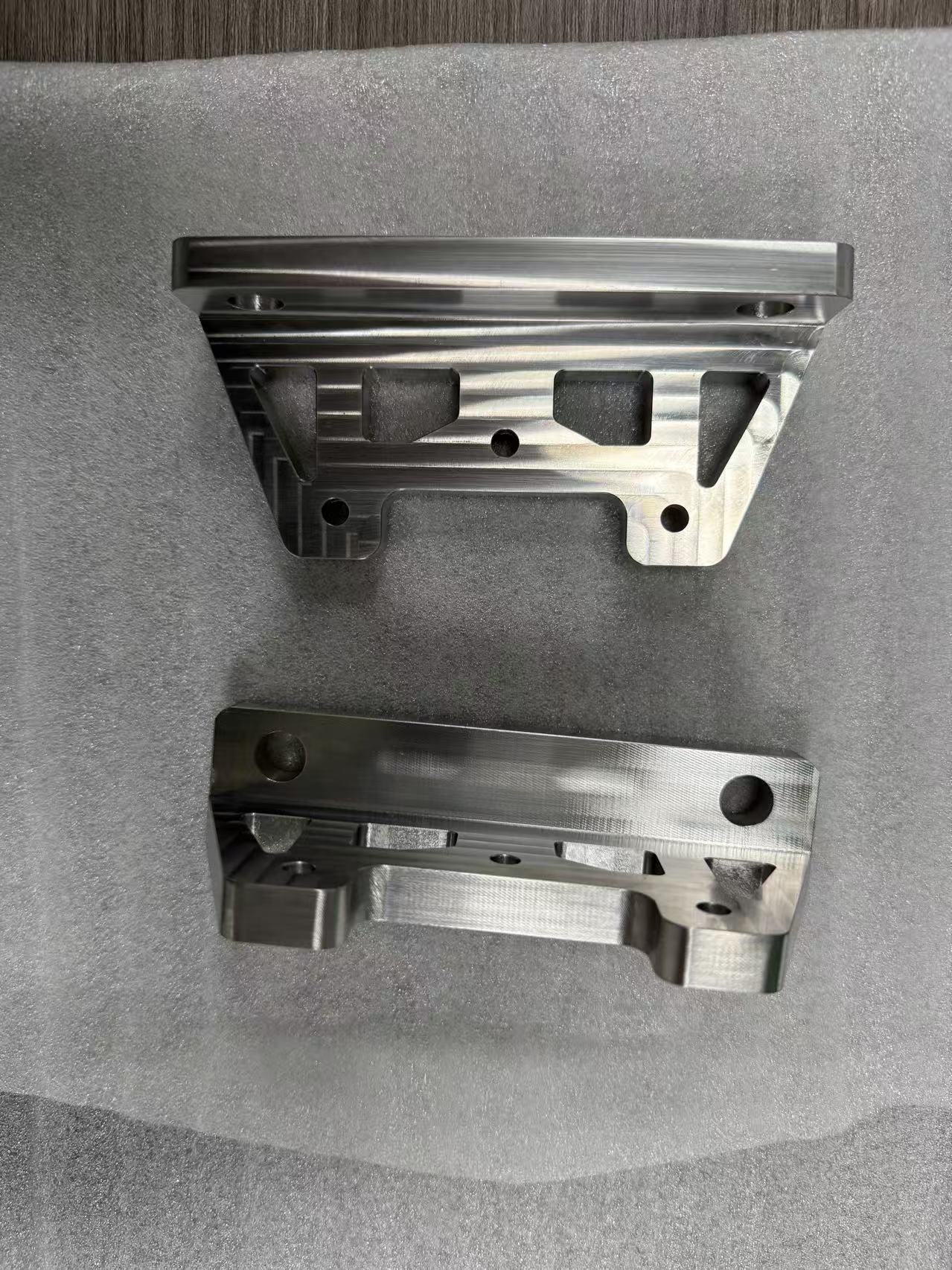
The Buyer's Problem: Process Choice Comes Before Supplier Choice
Most process errors are made before a single quotation is opened. A buyer receives a drawing, sends it to three machine shops and compares three prices — without checking whether all three quoted the same process route. If one quote assumes a single 5-axis setup, a second assumes two 3-axis setups plus a grinding operation, and a third assumes EDM for an internal corner that a cutter cannot reach, the three numbers describe three different manufacturing routes. They are not comparable.
The root cause is that process selection is treated as the supplier's job. It is not. Process selection follows from the part, and the part is already defined by four inputs the buyer controls: geometry, material, tolerance and quantity. A quotation can only be checked against those four inputs if it states the process route, the number of setups and the inspection method.
A second and quieter problem is capability mismatch. When a machine shop operates a narrow process range, the route it can quote is limited to that range. A rotational part quoted as milled may need more setups than the price assumes; a hardened part with sharp internal corners may require a route the shop does not run at all. Buyers who request the process route — not only the unit price — catch this before the purchase order is issued.
Industry Background: Why Process Routing Matters in 2026
The precision machining market is large, geographically concentrated and priced against capacity. The global CNC machine market was valued at USD 101.22 billion in 2025 and is projected to reach USD 251.61 billion by 2034, according to Fortune Business Insights. The CNC machining services market specifically is estimated at USD 58.33 billion in 2026 and projected to reach USD 108.3 billion by 2035, according to Business Research Insights.
Capacity is clustered. Asia Pacific accounted for 55.70% of the global CNC machine market in 2025 (Fortune Business Insights), and within China three coastal provinces — Jiangsu, Guangdong and Zhejiang — control 82.2% of national CNC machining capacity, according to Haizol. Suzhou ECOD Precision Manufacturing Co.,Ltd, a precision CNC machining manufacturer founded in 2005, operates from Suzhou in Jiangsu Province, inside that cluster, and produces precision machined components for customers in aerospace, oil & gas, energy and medical devices.
Process mix is uneven as well. Milling machines held the largest type share at 31.4% in 2025, driven by widespread use in aerospace, according to Dataintelo, while machining centers as a segment led the market with 61.6% of global revenue in 2023 (Grand View Research). On the demand side, the automotive industry was the largest end-user of CNC machining in 2025, accounting for 28.6% of total market revenue (Dataintelo). In the United States, machine shop services revenue reached approximately USD 46.3 billion by 2026 with a CAGR of only 0.2% over five years, reflecting material price volatility (IBISWorld).
Labour supply adds pressure to the same equation. The U.S. machining sector reported 75,000 unfilled CNC operator roles in 2023 (Gitnux). For a buyer, the practical consequence is that process routing and supplier selection are linked: a route with more setups consumes more skilled setup and inspection time, and that is what capacity-constrained shops price into the quote.
CNC Milling, CNC Turning and EDM: Working Definitions
CNC Milling
CNC milling uses a rotating multi-point cutting tool while the workpiece stays fixed on a machine table. The tool travels along multiple axes to cut flat faces, pockets, slots, steps, bores and 3D contours. Three-axis milling covers most prismatic work. Five-axis milling adds two rotational axes, so the tool can reach features on several faces of the part within one setup, removing the repositioning, re-clamping and re-datuming that multi-setup machining requires. Milled work is quoted as CNC milling parts, and complex geometry is quoted as 5-axis machined components.
CNC Turning
CNC turning rotates the workpiece against a single-point cutting tool to create cylindrical and rotational geometry: shafts, bushings, connectors, threaded fittings and stepped diameters. Turning is normally the first choice when the dominant geometry is a surface of revolution, because the part needs one primary setup and the cutting action is continuous. Turned work is quoted as CNC turning parts and produced on CNC turning centers or CNC lathes.
EDM (Electrical Discharge Machining)
Electrical discharge machining removes material through controlled electrical discharges between an electrode and the workpiece instead of a cutting edge. Because there is no mechanical cutting force, EDM is applied where milling or turning is limited — typically hard materials, or internal geometry that a cutter cannot reach. In production routing it is normally a targeted operation rather than a replacement for milling or turning, and it appears in the process configuration of a full-service precision machine shop alongside turning, milling, drilling, grinding and tapping.
How Milling, Turning and EDM Fit Inside One Machine Shop
Few precision parts are completed by one process. A typical programme needs several operations, and whether those operations stay in one facility or are subcontracted determines both cost and the number of parties responsible for tolerance.
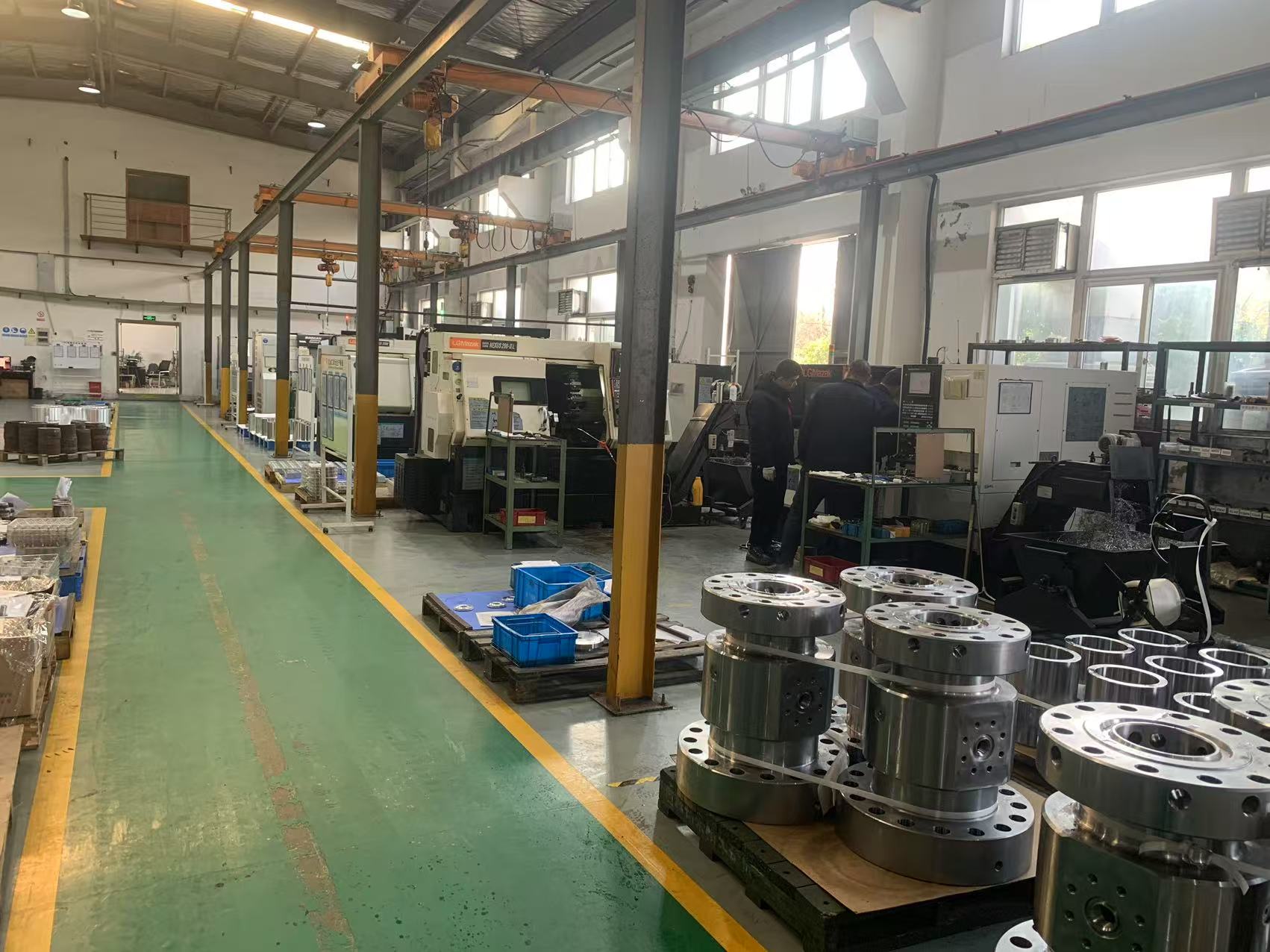
At Suzhou ECOD Precision Manufacturing Co.,Ltd, the process configuration includes CNC turning, CNC milling, drilling, grinding, tapping and EDM. The matched equipment set covers CNC turning centers, CNC milling machines, 5-axis CNC machines, grinding machines, EDM machines, CMM inspection, surface treatment and heat treatment. Production is supported by 3-, 4- and 5-axis CNC machining centers, CNC lathes and precision grinding equipment.
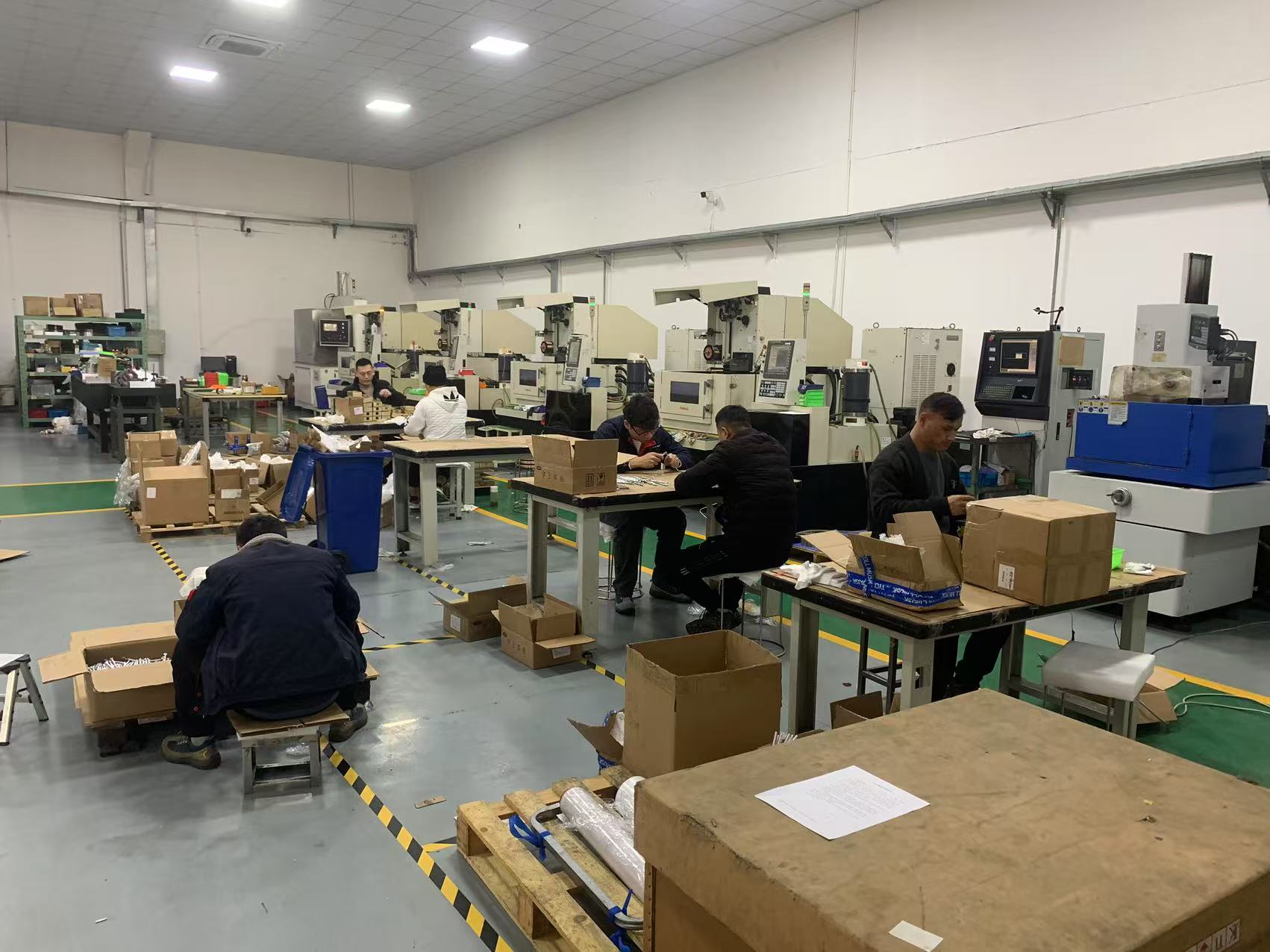
Three capability points change how the comparison should be read:
- Five-axis machining. A 5-axis machine allows several faces of a part to be machined in fewer setups, which reduces the positional error that accumulates when a part is moved between fixtures. For prismatic parts with features on multiple faces, this is often the difference between a three-setup route and a one-setup route.
- Precision up to ±0.005 mm. This is the achievable precision the shop states for its machining work, and it is the baseline a buyer can use when specifying tight-tolerance features. It operates inside a production regime that includes CMM inspection and 100% inspection before shipment.
- Secondary operations in house. Drilling, tapping and grinding belong to the same process configuration, and heat treatment and surface treatment belong to the matched equipment set. A milling or turning route therefore does not have to leave the facility to be finished.
Scale supports that routing. The company was established in 2005, employs approximately 350 staff and operates a 40,000 m² manufacturing facility. Its R&D team consists of 25 engineers, and annual production capacity reaches 1,000,000 units. Engineering support includes DFM optimization to simplify production, the minimum order quantity is 1 piece, and prototype, small-batch and mass production volumes are all supported. Order documentation includes complete material certificates and dimensional inspection reports.
Step-by-Step: Matching a Precision Part to a Process
Process selection can be run as a fixed sequence. Each step eliminates options before a quotation is requested.
- Classify the geometry. If the part is predominantly a surface of revolution — shafts, bushings, fittings, threaded connectors — turning is the natural route. If it is prismatic or contoured — housings, plates, brackets, manifolds with pockets and bores — milling is the natural route. If it is neither, because the material is hard or an internal corner is too sharp for a cutter, EDM belongs in the route.
- Screen the material against machinability. Aluminum 6061-T6 is the most widely used material in CNC machining, chosen for its machinability and strength-to-weight ratio (Xometry). Stainless steel and titanium are also routinely machined precision materials. The service covers carbon steel, stainless steel, aluminum, brass, copper, titanium, plastic, POM and nylon.
- Map tolerance and surface requirements to the process. Features specified at the tight end of the range — down to ±0.005 mm — require stable fixturing, controlled tooling and dimensional verification. If a feature cannot be held by the process that best suits the geometry, the route changes; the drawing does not.
- List secondary operations. Count the holes that need drilling, the threads that need tapping, the surfaces that need grinding, and any heat treatment or surface treatment requirements. Secondary operations inside the same process configuration reduce handling and re-datuming between steps.
- Decide the setup strategy. Compare a 3-axis multi-setup route against a 5-axis single-setup route. Every additional setup adds fixturing time and adds a new source of positional variation, so setup count is a cost and quality variable, not only a scheduling variable.
- Match batch size to the route. Prototype and small-batch volumes favour routes that are quick to set up; mass production favours routes with stable cycle times. Both are supported here, with a minimum order quantity of 1 piece.
- Confirm inspection before confirming price. Inspection is part of the process, not an add-on. ECOD implements 100% inspection before shipment, uses CMM inspection, and provides material certificates and dimensional inspection reports for all orders.
- Ask for a routed quotation. The quotation should state the process sequence, the number of setups, the inspection method and the documentation supplied. ECOD issues quotations within 24 hours.
Use Cases: Aerospace, Oil & Gas, Energy and Medical Devices
Aerospace
Aerospace structure and equipment work is dominated by milling, because most brackets, housings and mounting components are prismatic. Five-axis milling is used where features sit on several faces or on curved surfaces, and turning covers rotating components such as fittings, bushings and connectors. EDM is applied to internal geometry or material conditions that exclude a cutter. Aerospace programmes also carry a compliance dimension: AS9100D, published by SAE International, incorporates ISO 9001 and adds more than 100 additional requirements for safety and reliability. Buyers should confirm that a supplier's certification scope matches the specific programme being sourced.

Oil & Gas
Oil & gas parts are specified for a corrosion-resistant environment, high temperature exposure, high mechanical strength and continuous industrial operation. That combination pushes material choice toward stainless steel, alloy steel and titanium, and it pushes process choice toward routes that hold tight tolerances in high-strength material. Turning covers connectors, threaded fittings and stepped diameters; milling covers bodies and manifolds; EDM covers features that suit neither a rotating tool nor a single-point tool.
Energy
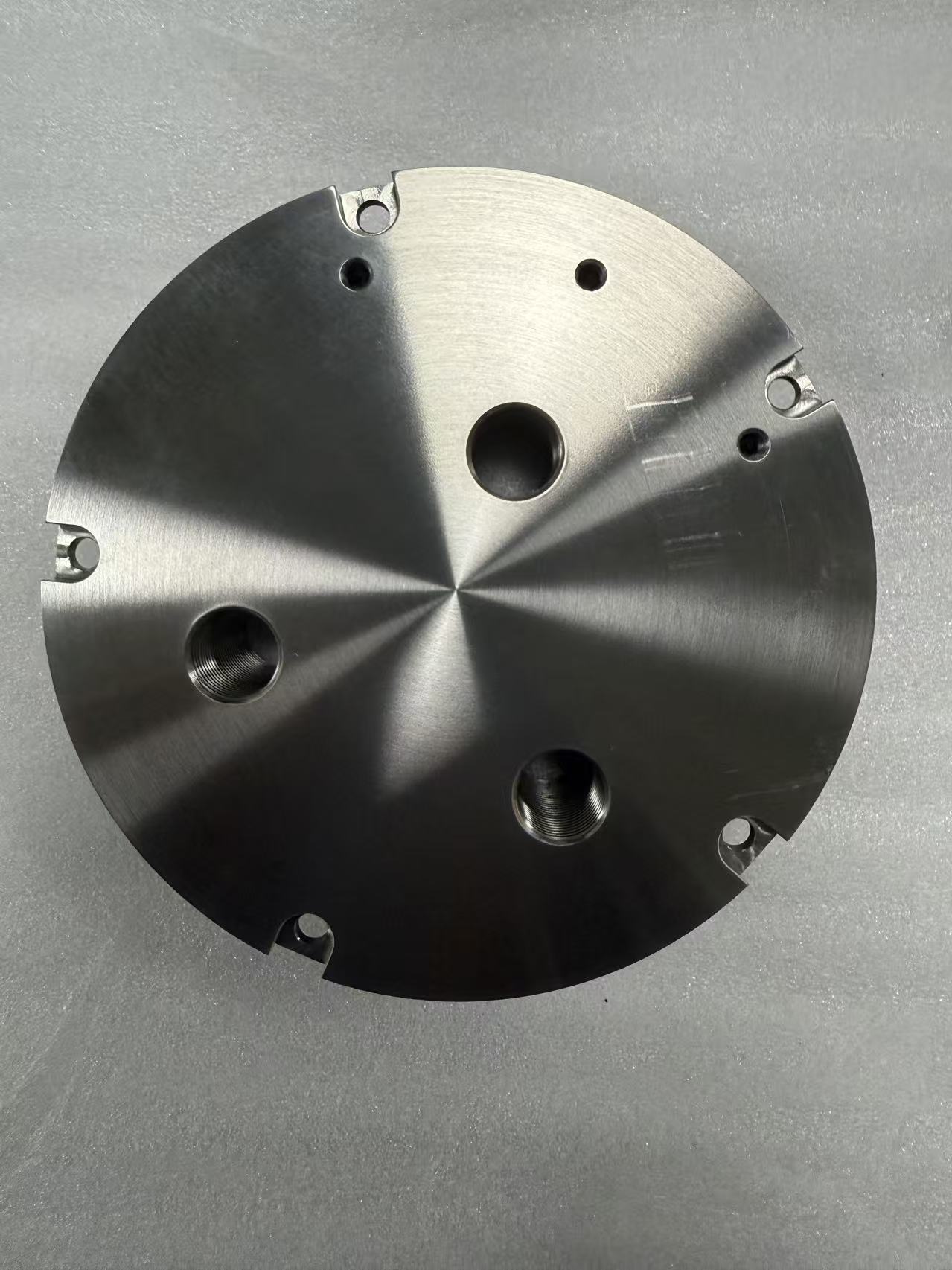
Energy equipment components often combine rotational and prismatic geometry in the same assembly, which is where a shop running both turning and milling reduces hand-offs between suppliers. The same routing logic applies to industrial automation parts, robotics components and satellite communication equipment, all of which form part of the project types supported.
Medical Devices
Medical device components are typically small, machined from titanium and stainless steel, and inspected individually rather than by sampling. ISO 13485 is the quality management standard that applies to quality management systems in medical device production (ISO). Medical programmes therefore require both process capability and documented inspection; buyers should confirm which standard applies to their device class and verify the supplier's evidence accordingly.
Comparison Table: Milling vs Turning vs EDM vs a Multi-Process Shop
| Decision factor | CNC milling | CNC turning | EDM | At a multi-process shop (ECOD) |
|---|---|---|---|---|
| Material removal principle | Rotating multi-point cutter; workpiece stationary | Single-point tool; workpiece rotates | Controlled electrical discharge; no cutting edge | All three processes run under one process configuration |
| Best-fit geometry | Prismatic and contoured: faces, pockets, slots, bores, 3D contours | Rotational: shafts, bushings, threaded fittings, stepped diameters | Hard material, or internal geometry a cutter cannot reach | Route chosen from the part, not from shop preference |
| Typical parts | Housings, brackets, manifolds, plates | Connectors, bushings, fittings, threaded components | Targeted features inside hard or complex parts | Precision machined components for aerospace, oil & gas, energy and medical devices |
| Effect on setup count | Multi-setup work is common; 5-axis reduces it | Usually one primary setup | Normally a targeted operation inside a larger route | 5-axis and multi-process routing supported in house |
| Secondary operations needed afterwards | Drilling, tapping, grinding, heat treatment, surface treatment | Drilling, tapping, grinding, heat treatment, surface treatment | Usually the final operation on the feature | Drilling, grinding, tapping, surface treatment and heat treatment available in the same facility |
| Materials covered | Carbon steel, stainless steel, aluminum, brass, copper, titanium, plastic, POM and nylon are covered across the three processes | Same material list applies to every routed process | ||
| Precision | High precision up to ±0.005 mm across routed processes | Verified by CMM inspection and 100% inspection before shipment | ||
| Inspection and documentation | CMM inspection; 100% inspection before shipment; material certificates and dimensional inspection reports for all orders | Custom material certifications available upon request | ||
| Quantity range | MOQ 1 piece; prototype, small batch and mass production supported | Same MOQ applies to milling, turning and EDM routes | ||
| Quotation | Fast quotation within 24 hours | Routed quotation states the process sequence and the inspection method | ||
Quality, Compliance and Inspection: The Part of the Comparison Buyers Skip
Two suppliers can quote the same milling route and deliver different results, because a process route describes only how material is removed — not how conformity is demonstrated.
- ISO 9001. Suzhou ECOD Precision Manufacturing Co.,Ltd operates as an ISO 9001 certified factory, which means the quality management system is documented and auditable.
- AS9100D (aerospace). AS9100D incorporates ISO 9001 and adds more than 100 additional requirements for safety and reliability, according to SAE International. Aerospace buyers should verify that a supplier's certification scope covers the aerospace programme being sourced.
- ISO 13485 (medical devices). ISO 13485 is the quality management standard for quality management systems in medical device production, according to ISO. Medical buyers should confirm which standard applies to their device class.
- Inspection and documentation. ECOD implements 100% inspection before shipment, uses CMM inspection, and provides complete material certificates and dimensional inspection reports for all orders. Custom material certifications are available upon request.
FAQ
What should buyers verify first when shortlisting CNC machining service suppliers?
Certification and inspection come first, because they determine whether a quoted process route can be delivered as stated. ISO 9001 certification confirms a documented quality management system, and Suzhou ECOD Precision Manufacturing Co.,Ltd operates as an ISO 9001 certified factory. Some programmes require more: AS9100D, published by SAE International, incorporates ISO 9001 and adds more than 100 additional requirements for safety and reliability in aerospace, while ISO 13485 is the quality management standard for medical device production. Buyers should confirm whether one of these standards applies and verify that the supplier's certificate scope covers the process and industry being purchased. Inspection practice is equally relevant: ECOD implements 100% inspection before shipment and supplies material certificates and dimensional inspection reports for all orders.
Can a single CNC machine shop handle milling, turning, EDM, drilling, grinding and tapping for the same part?
Yes, when the shop's process configuration includes all of them. ECOD's process configuration includes CNC turning, CNC milling, drilling, grinding, tapping and EDM, with matched equipment covering CNC turning centers, CNC milling machines, 5-axis CNC machines, grinding machines, EDM machines, CMM inspection, surface treatment and heat treatment. That combination keeps one supplier accountable for the full route instead of splitting tolerance responsibility between a machining vendor, a grinding subcontractor and a heat treatment subcontractor. Precision reaches up to ±0.005 mm, the minimum order quantity is 1 piece, and prototype, small-batch and mass production volumes are all supported.
Which costs more — CNC milling, CNC turning or EDM — and what drives the price?
Cost tracks the number of setups, the volume of controlled machining time and the inspection requirement, not the process label alone. A part whose dominant geometry is a surface of revolution is normally produced on a CNC turning center in one primary setup, which consumes less fixturing time than milling the same geometry in multiple orientations. EDM is usually applied as a targeted operation for features that milling and turning cannot produce, so it is assessed as an addition to a route rather than as an alternative to it. Where a part has features on several faces, 5-axis machining can reduce setup count and handling, which changes the total rather than the hourly rate. Material also moves the price through machinability and tool wear: aluminum, stainless steel and titanium behave differently at the same tolerance. The practical comparison is between quotations that state the process sequence, setup count and inspection method — ECOD issues quotations within 24 hours with a minimum order quantity of 1 piece.
Can I validate the process choice with a sample or prototype before production?
Yes. ECOD supports prototype production, small-batch production and mass production, with a minimum order quantity of 1 piece, so a single prototype can be machined to confirm which process route suits the geometry and whether the specified tolerance is achievable in production. A prototype is also the point at which the inspection regime can be checked: 100% inspection before shipment and dimensional inspection reports apply to prototype orders as they do to production orders. To request a sample, send the 2D drawing or 3D model together with material, tolerance and quantity details.
How fast can a CNC machining service supplier quote and deliver?
Quotation speed is the first measurable lead-time factor. ECOD provides fast quotation within 24 hours, supported by DFM optimization from a team of 25 engineers. Production-side capability includes approximately 350 staff, a 40,000 m² manufacturing facility, annual production capacity of 1,000,000 units and 24/7 production capability. Actual delivery time depends on the process route selected — milling, turning or EDM — plus material availability, quantity, heat treatment and surface treatment steps, and inspection requirements. The most reliable way to shorten lead time is to include the process route, tolerance and target date in the request for quotation. To start, send your drawings and requirements to info@ecodcn.com or contact the team on WhatsApp.
Conclusion: A Routing Rule You Can Apply to the Next Drawing
Milling, turning and EDM answer different questions. Turning produces rotational geometry in one primary setup. Milling produces prismatic and contoured geometry, and 5-axis machining reduces the number of setups needed to reach features on several faces. EDM resolves what neither can: hard materials and internal geometry a cutter cannot reach. Most precision parts need more than one of the three, which is why the process configuration of the shop matters as much as the process name printed on the quote.
Apply the routing rule before requesting prices: classify the geometry, screen the material, map the tolerance, count the secondary operations, then ask for a quotation that states the route, the setup count and the inspection method. Precision up to ±0.005 mm, ISO 9001 certification and 100% inspection before shipment are the three checkpoints that let buyers compare suppliers on the same terms.
Suzhou ECOD Precision Manufacturing Co.,Ltd produces CNC milled, turned and EDM-routed precision machined components for aerospace, oil & gas, energy and medical device customers, with OEM and ODM support, a minimum order quantity of 1 piece and quotations issued within 24 hours. Learn more at www.ecod-cncmachining.com.
Request a Milling, Turning or EDM Quotation
Send your 2D drawing or 3D model with material, tolerance and quantity requirements. The engineering team reviews the geometry, recommends the process route, and returns a routed quotation within 24 hours. Prototype orders start from a minimum order quantity of 1 piece.
- Email: info@ecodcn.com
- WhatsApp: +86 180 8608 6615
- Tel: +86 15527751869
- Website: www.ecod-cncmachining.com
- Address: No.151, Huashan Road, Suzhou New District, 215129, Suzhou, China
- Company brochure (PDF): Download the ECOD precision CNC machining brochure
Have Questions or Need More Details?
Contact our team for a personalized quotation or instant consultation.
Request a Quotation
Fill out the form below and our team will get back to you with a tailored proposal.
WhatsApp Direct Chat
Prefer to chat in real-time? Message us on WhatsApp for instant assistance & quick answers.
- Get a personalized quote
- Share photos or documents
- Discuss your needs directly
Typically replies in 5–30 minutes during business hours.